


A matter of small gestures
TipsWe present a series of sustainable routines and simple technological applications that will optimize your water consumption in the bathroom.
Homes are one of the places where the most water is consumed. According to data from the XVI National Study on Drinking Water Supply and Sanitation in Spain 2020, each of us uses an average of 128 liters of water every day. Or, in other words, in our private lives, we are not very sustainable. This is because there are still many people who think that their individual actions have little or no influence on the gigantic challenge posed by climate change.
But the philosophy we should apply is just the opposite, and it's urgent that we realize it. Taking advantage of the fact that this June 5th we celebrate World Environment Day, we take the reins and invite you to be aware that every drop counts.
And what can each of us do in our homes? Changing small routines and incorporating some technologies to regulate water flow is enough to reduce our environmental footprint without affecting comfort in the slightest. And if contributing to environmental preservation isn't enough of an incentive, let's not forget that controlling water usage is also reflected in our bills, so the first and most immediate beneficiary will be your wallet.
3 HABITS WITH IMPACT
A shower is better than a bath. As a general rule, we should avoid leaving the tap running longer than necessary, so it's better to shower and turn off the faucet to soap your hands or brush your teeth. As a final tip, we recommend that after turning off the water, you make sure the faucet isn't dripping.
The toilet is not a trash can. Place a trash can in the room for this purpose and avoid flushing the toilet unnecessarily.
Recycle the water you don't use. Sometimes, if the faucet is far from the water heater, it takes a while for the water to heat up, which means liters of water go down the drain for no reason. It’s estimated that up to 10,000 liters per person per year can be wasted this way, when it could be put to good use for cooking, washing dishes, watering plants, doing laundry… It’s just a matter of having a place to store it.
INVEST IN TECHNOLOGY
Limit the cistern download. There are several options: dual-flush toilets, interruptible systems, or flow restrictors. Keep in mind that every time you flush the toilet, between 9 and 12 liters of water are used, whereas with a dual-flush system, we can reduce this figure by up to 4,000 liters.
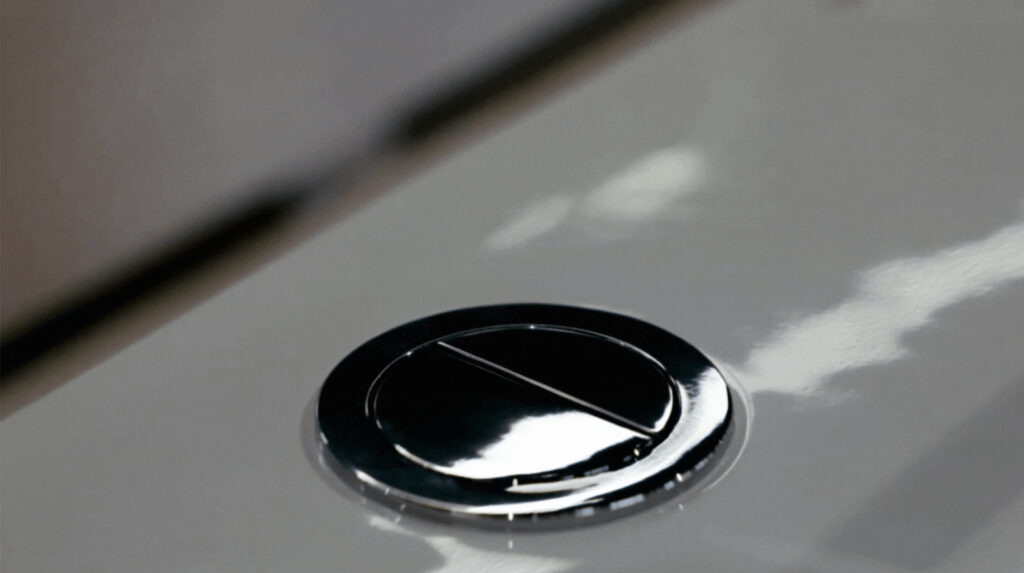
Choose advanced designs. The new toilet models feature a more efficient design that allows for better flushing performance using less water. The system rimless it is at the forefront of these new processes. This is a technology that has evolved water distribution during flushing, applying dynamic conduction that distributes water more homogeneously inside the bowl.

Install aerators or water-saving devices on the faucets. These systems enhance the water flow by aerating it, which helps conserve water. They are also very beneficial in homes with hard water, as they prevent these minerals from coming out of the faucet.
Go for single-handle faucets. These models have two major advantages: they prevent dripping from screw-on faucets, and, most importantly, you don’t have to turn on both taps to get hot water, which means less water is wasted.
Install a thermostat in the shower. Water-saving showerheads and shower nozzles contain aerators that maintain water pressure while using less water.
Any of these tips will help you optimize your water usage, but the most important one is to be mindful of what you do. Whenever you use water, remember that it won’t last forever, so use it responsibly.