Efficient construction
StoriesThe Mirateca It is a professional studio of contemporary architecture that develops diverse facets of 21st-century society where architecture plays an active role. Furthermore, it maintains sustainable awareness in all its work, allowing them to create environmentally friendly homes and buildings.
Emilia Ruipérez Bastida and Raúl Latorre Luna, Founding CEOs, lead this studio located in the city of Murcia, which provides comprehensive services from design and construction to habitation. They themselves speak to us about their work and how they reduce environmental impact through strategies, processes, and materials.
Bioclimatic architecture promotes buildings taking into account climatic conditions to take advantage of available resources. What resources do you at La Mirateca use to reduce the environmental impact of your buildings?
Raúl LatorreArchitecture undeniably has an environmental impact, and that's why, from our studio, we try to ensure its integration with the territory, its layout, its scale, from a very controlled design phase through to its construction phase, where we have increasing control over material manufacturing, their reuse, their origin, among other aspects.
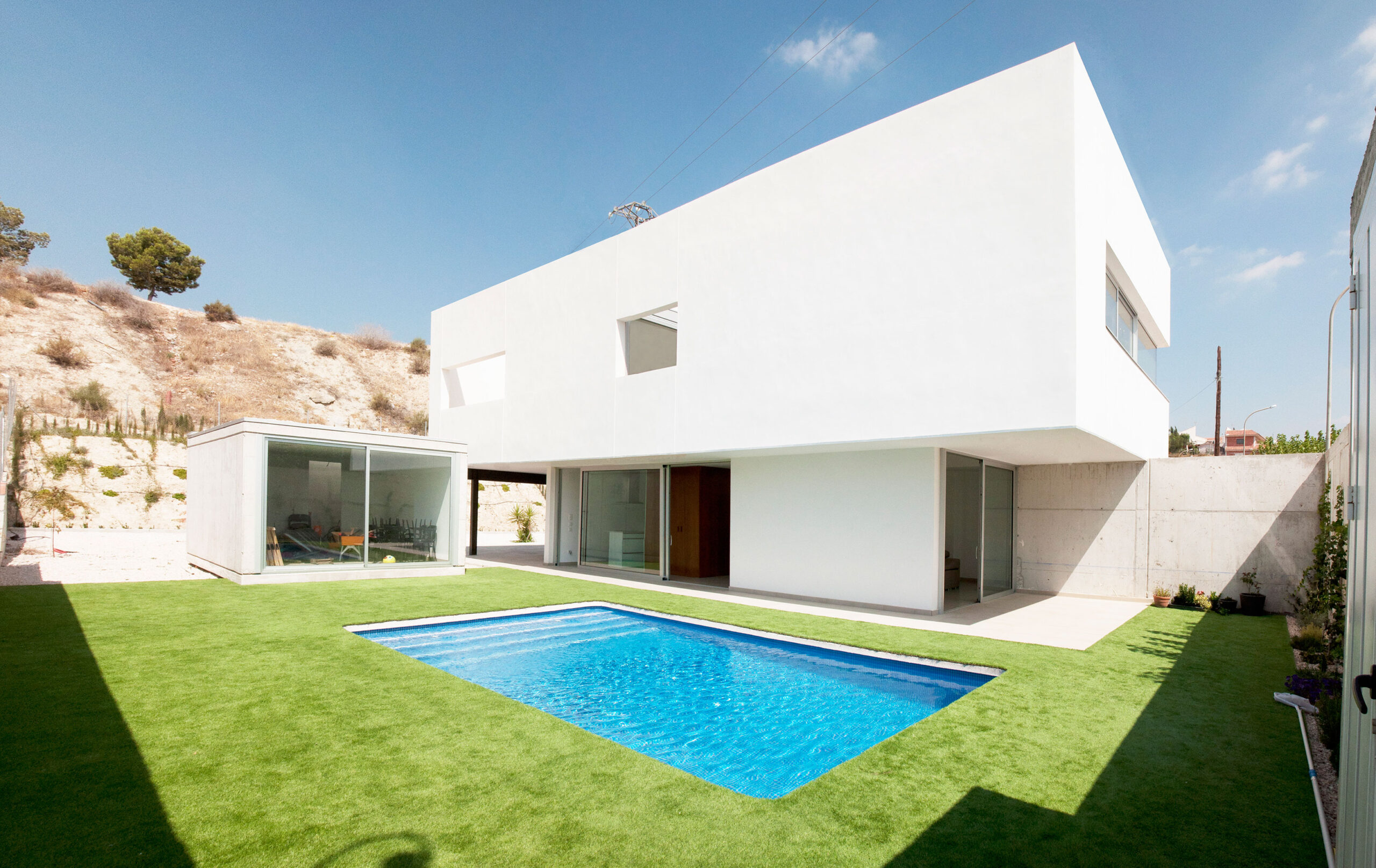
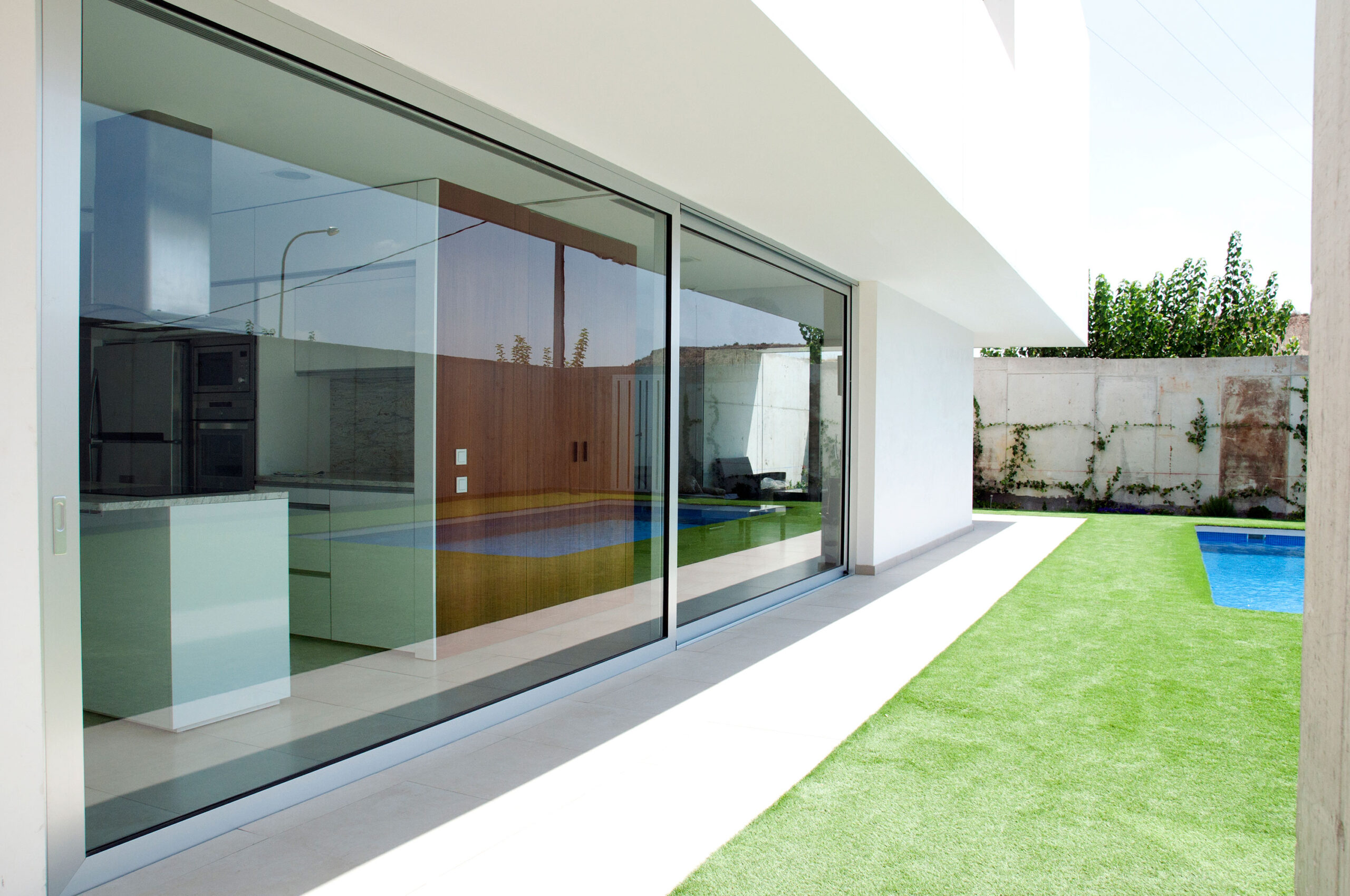
What materials are used to create more environmentally friendly buildings?
Emilia RuipérezRegarding what materials are used to create more environmentally friendly buildings, as Raúl mentioned in the previous question, it is fundamental to control the manufacturing process of these materials. This process also involves knowing their origin and durability. What is also key to generating a building that is not only sustainable but also timeless is the use of more autochthonous materials. Knowing which materials are most characteristic of a particular place allows them to be incorporated into the manufacturing process of that building.
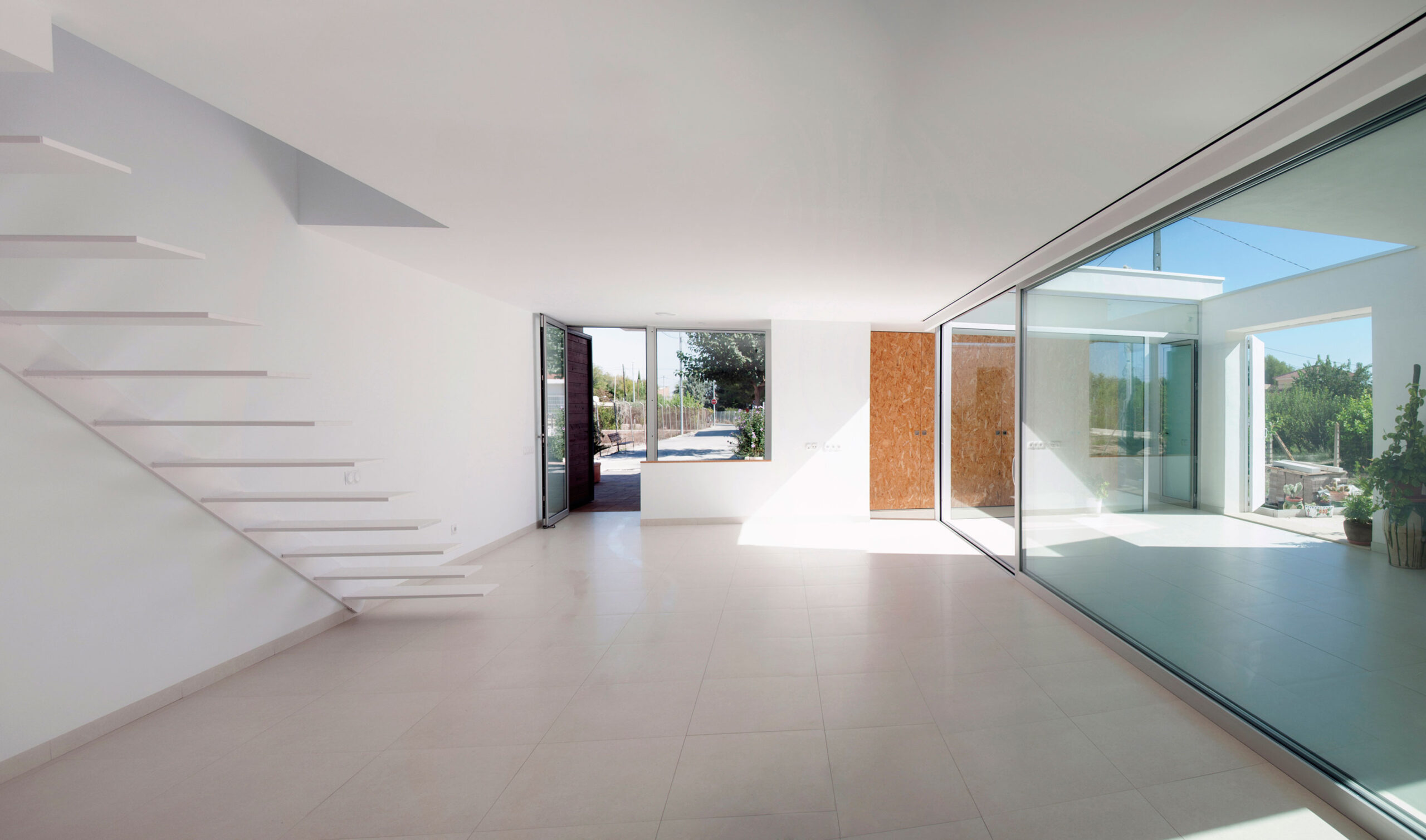
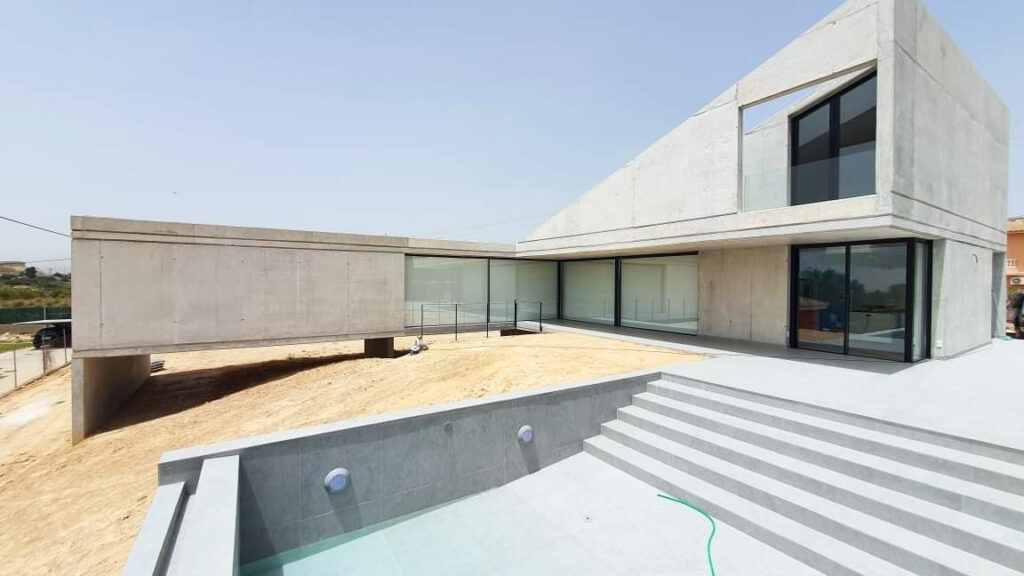
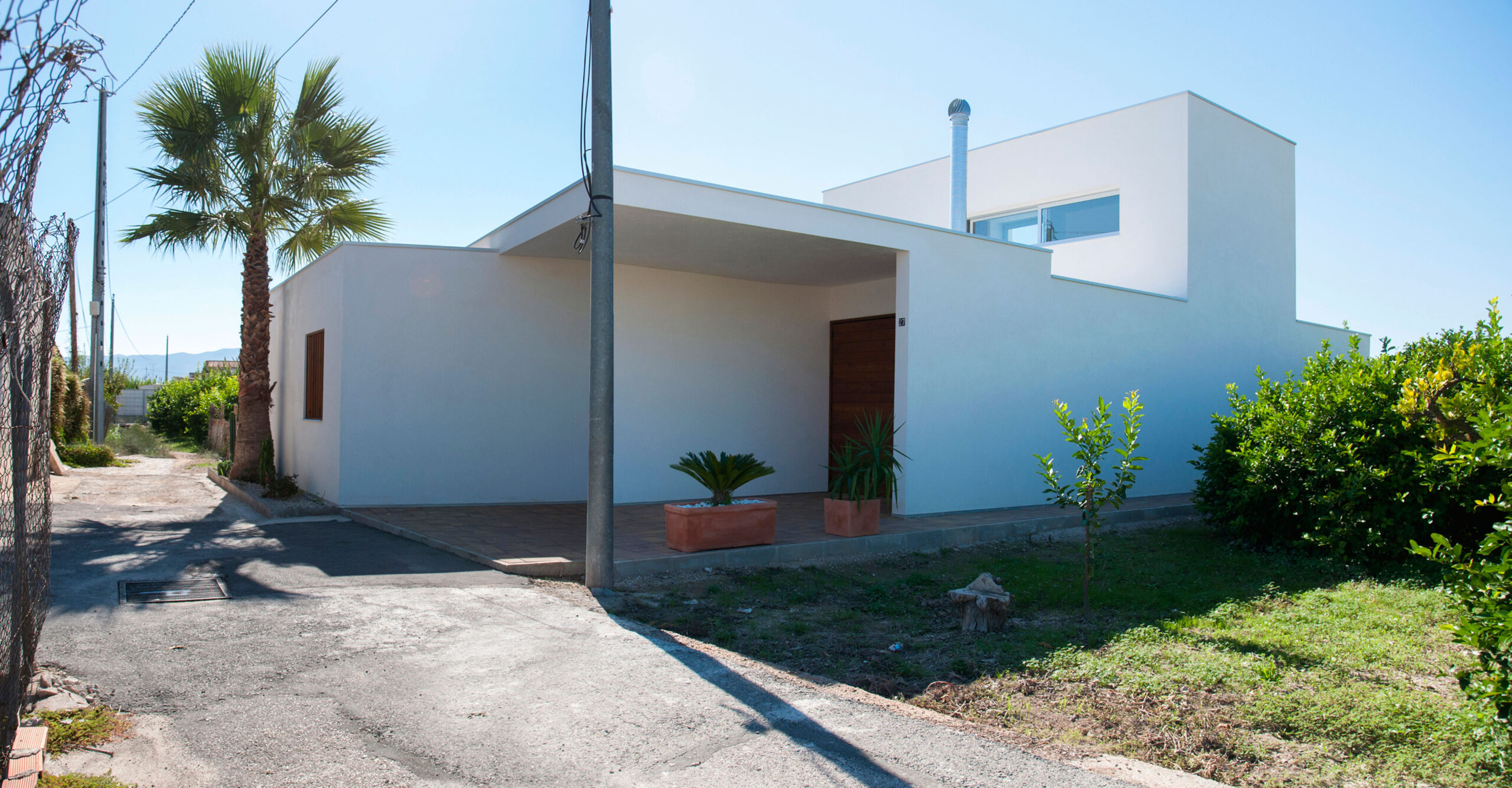
Small house for a large family – La Mirateca 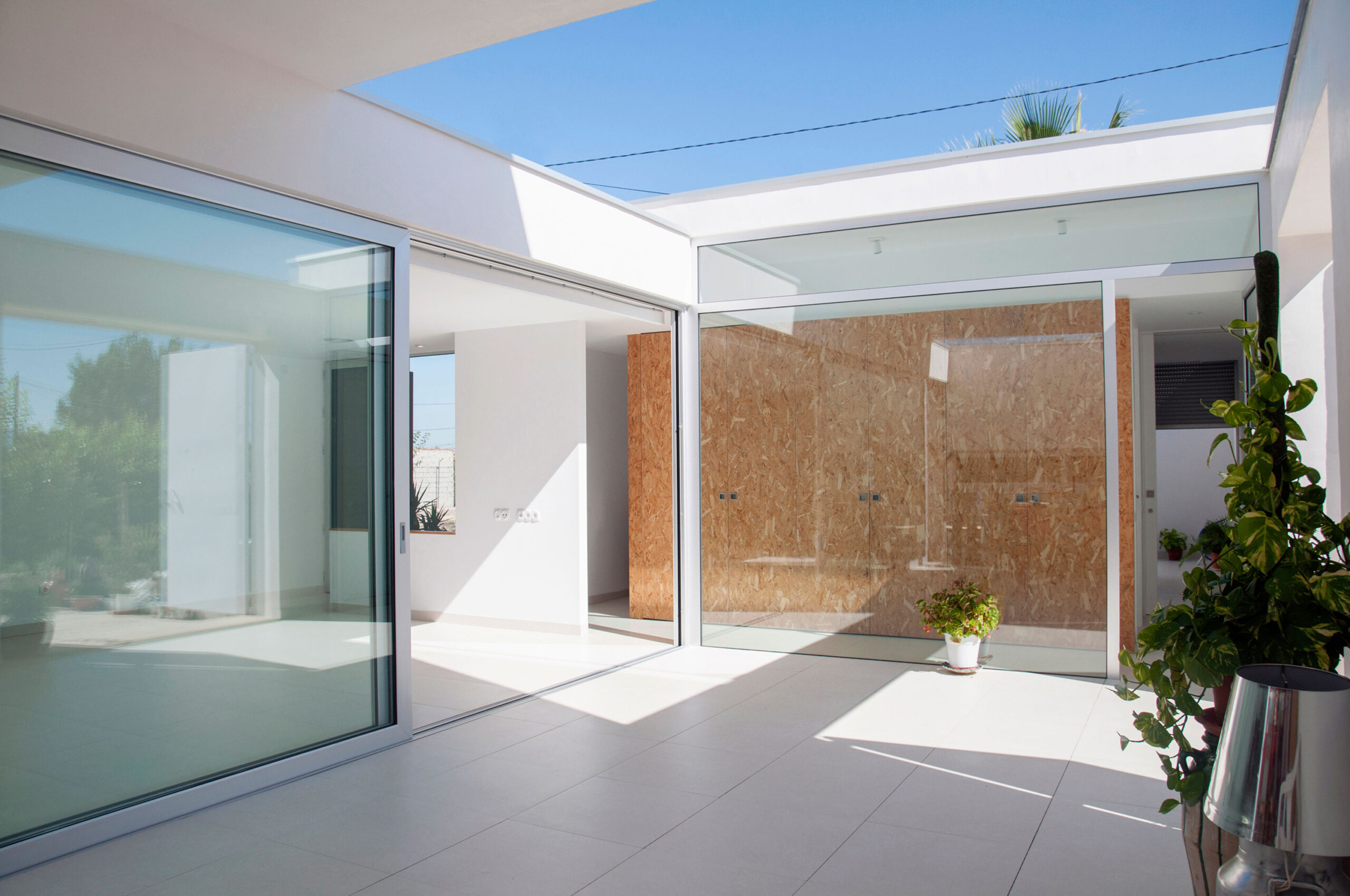
Small house for a large family – La Mirateca
How can architectural design maximally decrease energy consumption?
To the question of whether architectural design can reduce energy consumption in buildings, our answer is clearly yes. Here, we would have to propose or distinguish between two situations.
One is the conception of the project itself, its geometry, its placement on the site, the arrangement of openings, or how it relates to its fundamental environment. These are parameters that have been worked on since architecture has been architecture, and they cannot be disregarded in the current moment.
On the other hand, the design of constructive solutions: increasing insulation thicknesses in buildings, their acoustic level, their air renewal, the airtightness of spaces, along with the optimal design of installations, is fundamental for the energy consumption required for their comfort to be key and optimal.
We are carrying it out in prototypes, the solutions are giving us significant energy reduction data, and that's what we're working on.
Nowadays, is it truly possible to implement renewable energy in a private home?
Emilia: We think it is possible to implement renewable energies in a private home or a building. We mostly, basically in our buildings, we tend to implement photovoltaics and aerothermal. Regardless of whether there is biomass, wind, solar thermal, but above all photovoltaics and aerothermal, which we try to combine in a single project to make a home even more self-sufficient.

Tell us about the LAM system you've applied to a modular home you just finished, which is industrialized, technological, and self-sufficient.
Emilia: The LAM system is an industrialized, technological, and self-sufficient construction system that we have currently applied to a modular house in the region of Murcia. It is mainly based on a three-dimensional module that allows for expansion or reduction according to the functional and economic needs of the user. Basically, through a structural system that we have recently patented in W, this structure is assembled either on-site or directly in the factory, in a workshop, and can then be transported by truck.
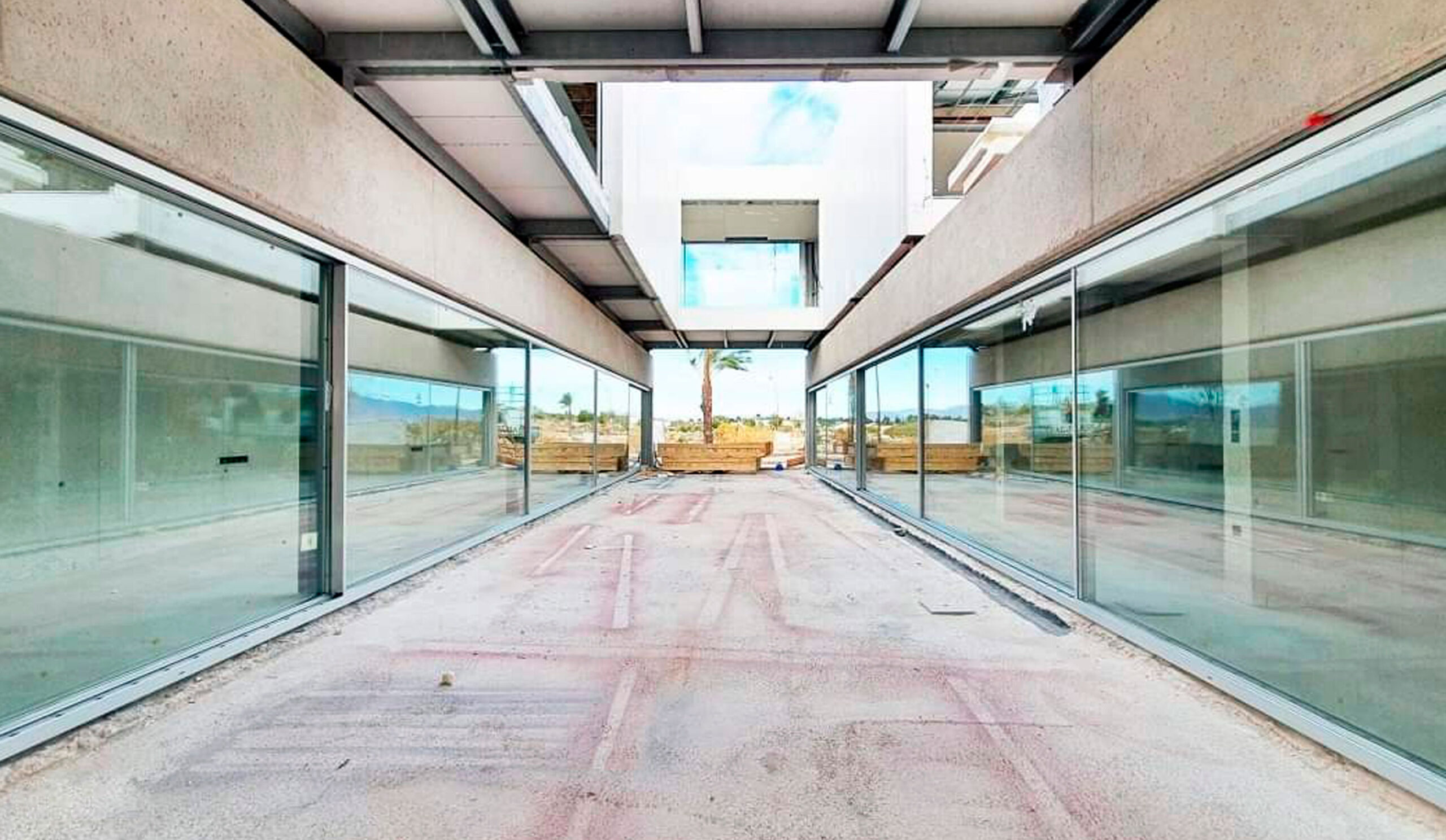
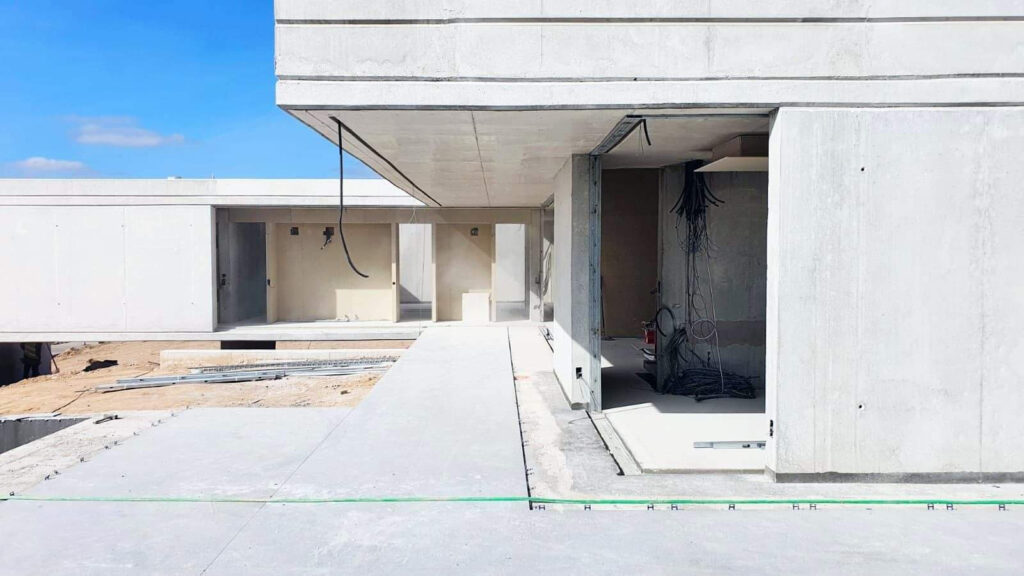
LAM System - La Mirateca 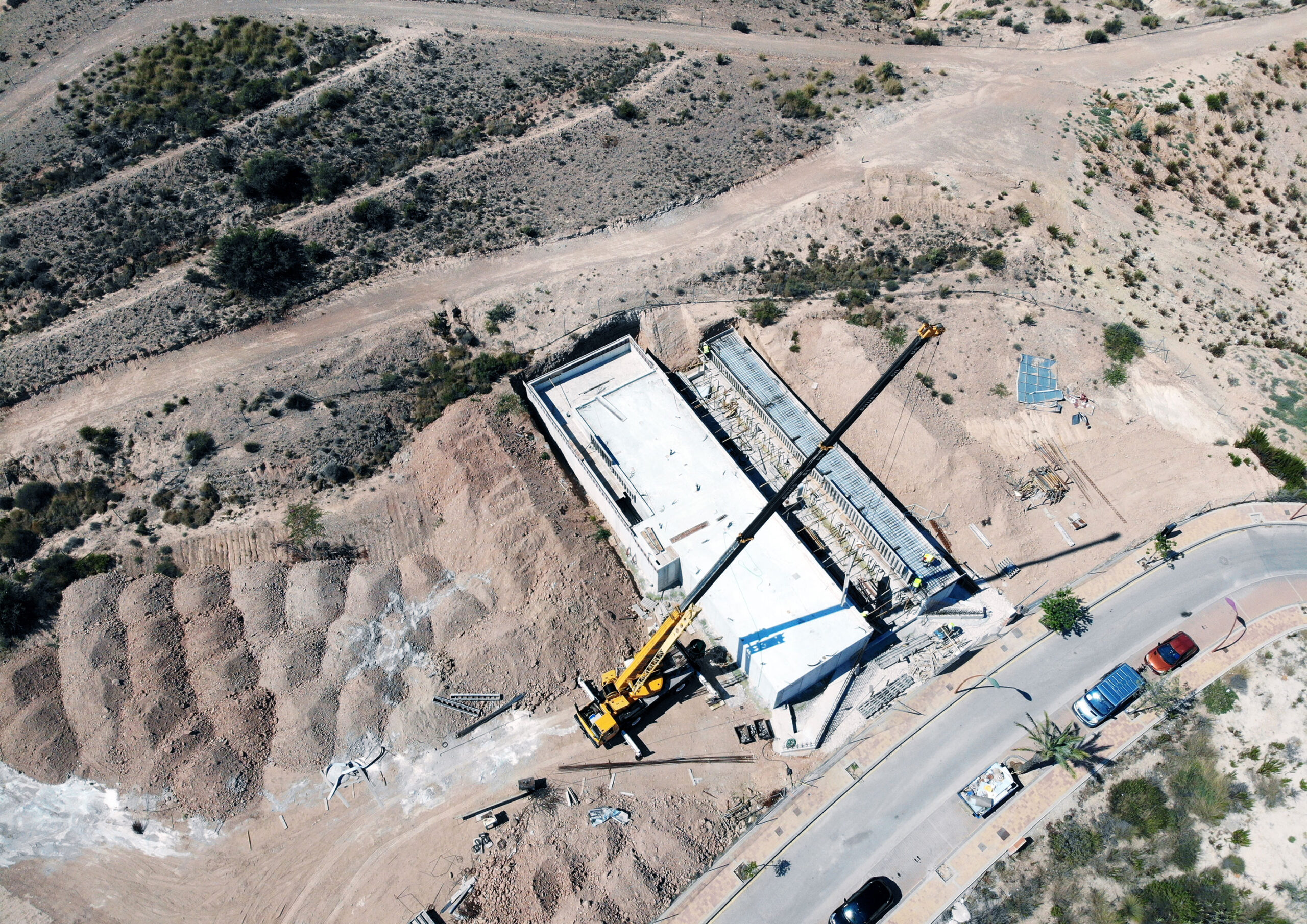
LAM System - La Mirateca 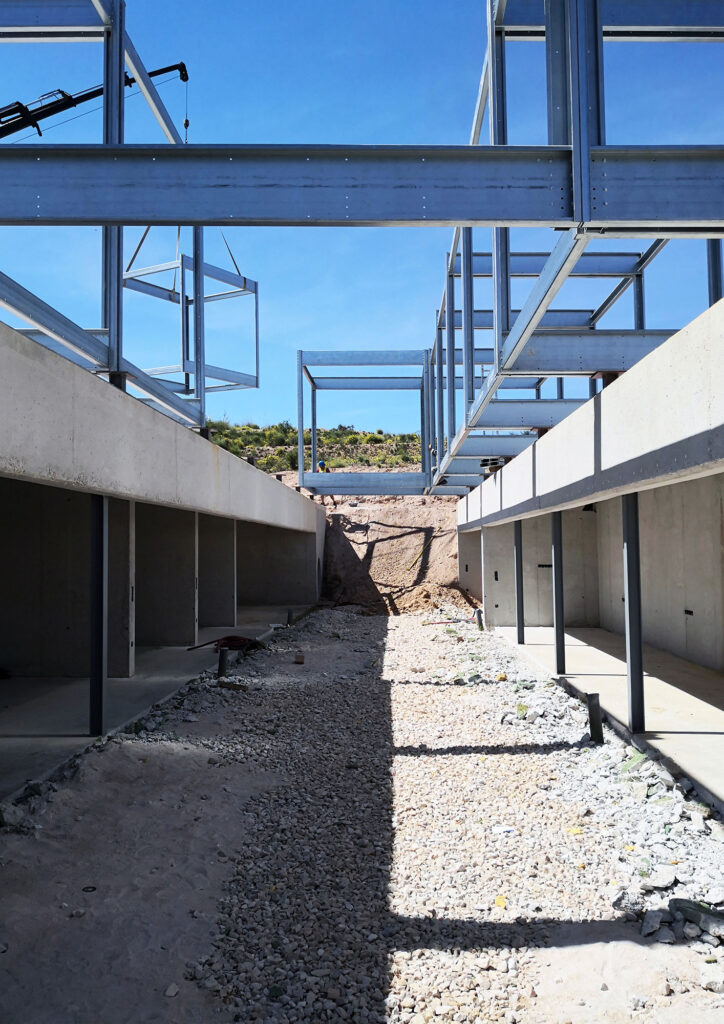
LAM System - La Mirateca 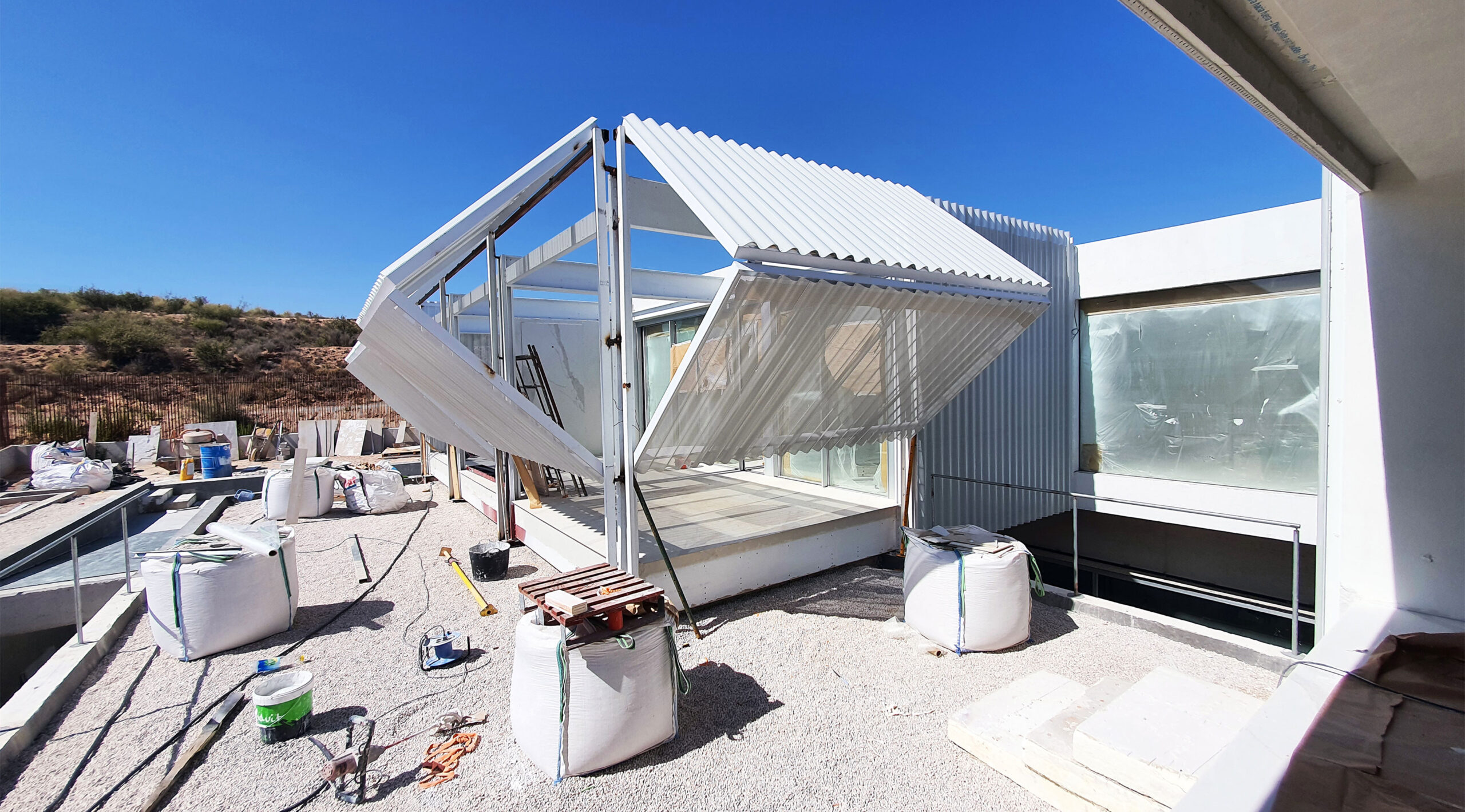
LAM System - La Mirateca
If we focus on the bathroom, what should be taken into account to create efficient spaces?
Raúl: Regarding bathrooms, in homes, it's a space we consider from a functional perspective. We also optimize their installations, the arrangement of their different components, and how they connect to the water recirculation or climate control processes, etc. And there is a very common element in all of them, in everything we design, which is zenithal lighting: lighting and ventilation from above. This creates diffuse light that avoids direct shadows and makes the space function optimally throughout the day.
Could you provide an evaluation of the contribution of designing and manufacturing sinks from recyclable materials to sustainable architecture?
Architecture is a discipline with a very significant environmental impact, which is why it's essential to apply a circular economy in all its aspects. This applies not only to the building itself, its exterior, and its volume, but also to its interior. It's true that, for example, in the system we are implementing, the reuse of materials becomes even simpler with this assembly and installation process. The circular economy is fundamental.
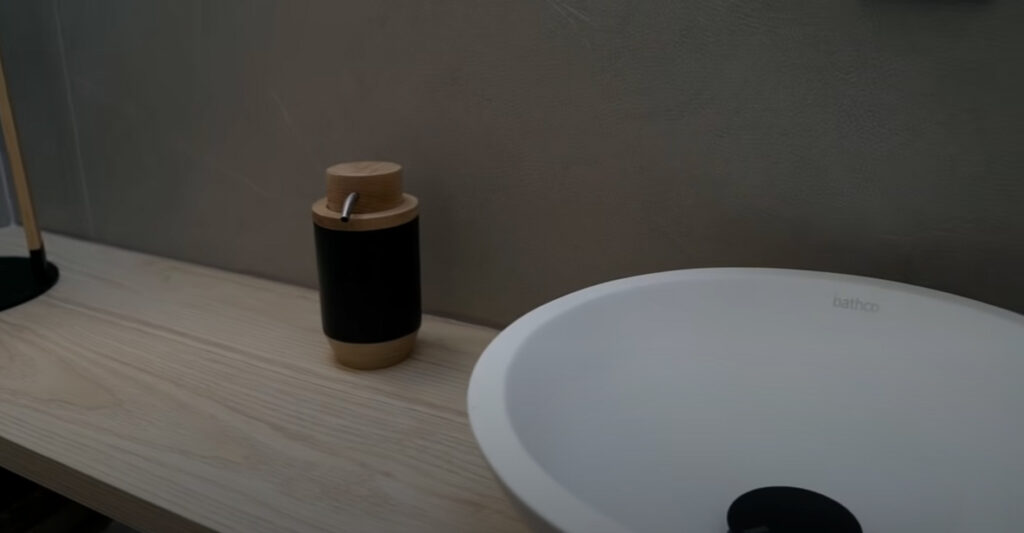
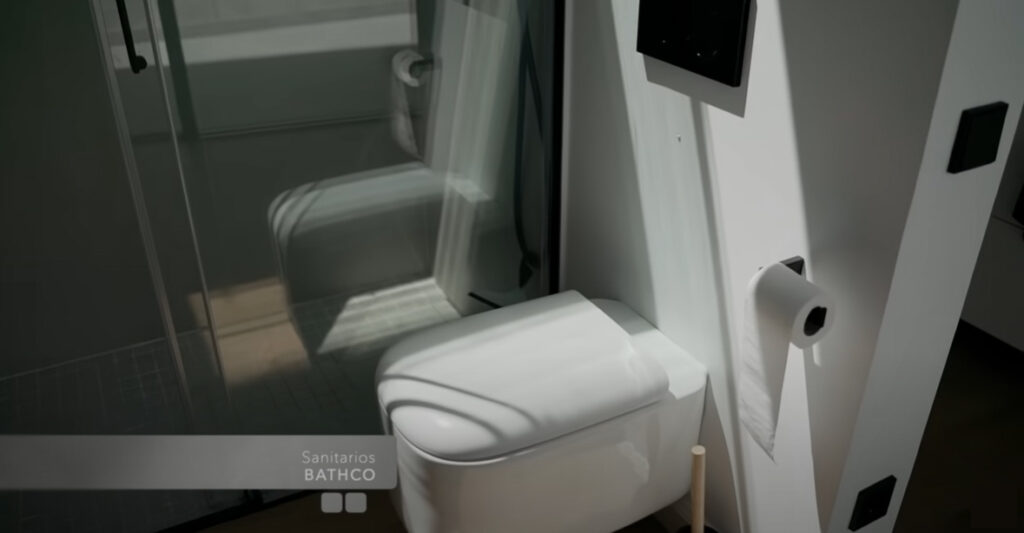
A good example is the bathrooms that can be found “House behind a wall, a home created by The Mirateca, in which the study Feel the Crama He has created the bathrooms. This is the housing of the influencer Fatima Canto and they installed the sinks there Polaris and Prato from Bathco Solid Surface.