


Common mistakes when choosing a washbasin (and how to avoid them)
In this guide, you will find the most common mistakes made when choosing a washbasin and, above all, how to make better decisions from the outset (with a practical approach, focusing on interior design and real-life use).
Tips
Choosing a washbasin seems like a simple decision... until you start using it every day. A model may fit visually in the bathroom, yet prove uncomfortable, difficult to maintain or inconsistent with the space. The good news is that with knowledge, these mistakes can be avoided with very specific criteria.
1) Choosing a washbasin based solely on its design
This is the most common mistake: falling in love with a washbasin without thinking about what happens when you use it every day. A washbasin is not a decorative piece; it is something you come into contact with every day.
How to avoid it
-
Consider the actual usage: washing hands, brushing teeth, shaving, applying make-up, children, etc.
-
Assess depth and geometry: a very flat washbasin or one with walls that are too open usually splash more.
-
Observe the edge and the inner "radius".Certain shapes are more comfortable and easier to clean than others.
-
Prioritise balance: design + functionality. A washbasin can take centre stage without becoming a "complication".
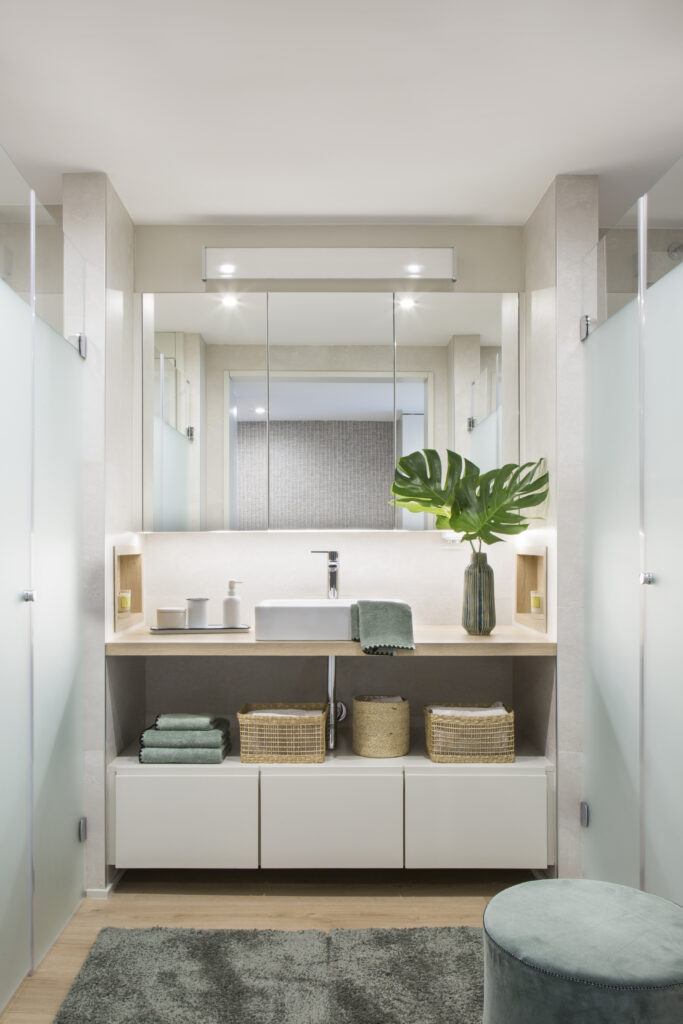
Nilo washbasin – Project by Pia Capdevila
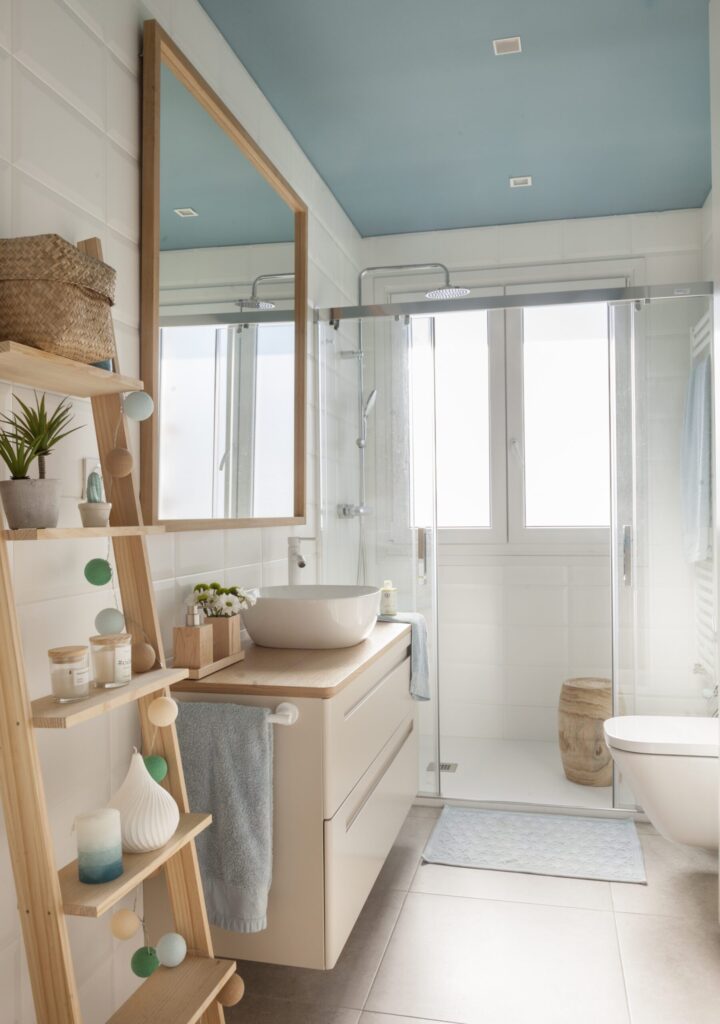
Olea Washbasin – Project by Natalia Zubizarreta
2) Not taking into account the type of bathroom and its intensity of use
You don't choose the same washbasin for a main bathroom as you would for a guest bathroom. Nor is a family bathroom the same as a bathroom that is used occasionally, or a bathroom in a high-traffic environment (hospitality/contract).
How to avoid it
-
Main bathroom (heavy use): prioritises comfort, capacity, splash control and easy cleaning.
-
Guest bathroom (occasional use): you can afford to take a more "iconic" approach, while ensuring that it remains functional.
-
Family bathrooms: pay attention to resistance, final installation height, and ease of maintenance.
-
Professional or high-traffic environments: prioritises durability, quick cleaning and robust solutions.
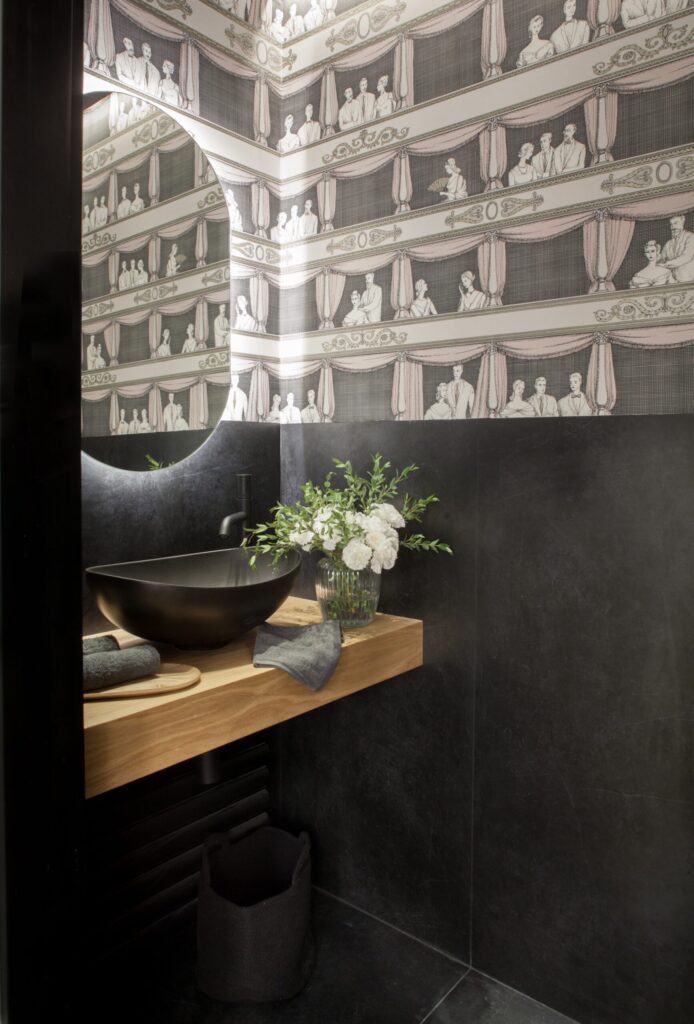
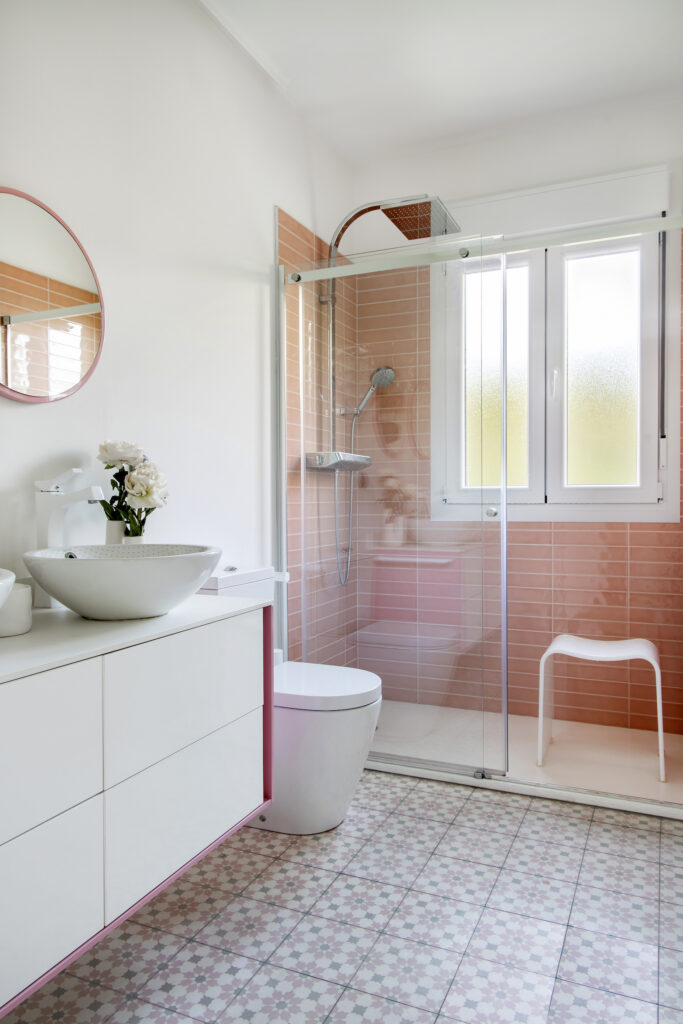
Begursa washbasin - Project by Majo Flores Interior Design
Castellón washbasin - Project by Mar Vidal
3) Ignoring the proportions of the space
A washbasin can be beautiful but still look "wrong" if it is not in proportion to the cabinet, mirror, wall or passageway. Proportions influence both aesthetics and comfort.
Typical signs of poor proportion
-
A washbasin that is too large for a small bathroom: it reduces the usable space, makes the whole room feel cramped and complicates cleaning.
-
A washbasin that is too small in a large bathroom: it gets lost visually and can look temporary.
-
Unbalanced cabinet or countertop: the washbasin is not optically centred or does not provide useful support.
How to avoid it
-
First define the furniture/worktop and the space for use (support area, passageway and opening of doors/drawers).
-
Ensure a coherent composition: washbasin + faucets + mirror + Lighting should 'communicate' with each other.
-
If the washbasin is the centrepiece, let it be: avoid cluttering the space with too many elements around it.
4) Deciding without thinking about the installation from the outset
This error occurs when you choose a washbasin and then discover that it does not fit with the taps, the cabinet, the final height or the water outlet. The installation affects the result more than it seems.
How to avoid it
-
Choose the type of installation with intention:
-
Topcounter: strong visual impact; requires careful planning of height and fittings.
-
Wall-hung: lightness and visual cleanliness; requires a prepared wall and careful composition.
-
Furniture / encastrado: practical and tidy solution; highly functional for everyday use.
-
Pedestal: sculptural piece; defines the space and sets the tone for the bathroom.
-
-
Check key compatibilities:
-
Final height (with cabinet/worktop included)
-
Type and height of faucets
-
Space for drainage and siphon
-
Accessibility for maintenance
-
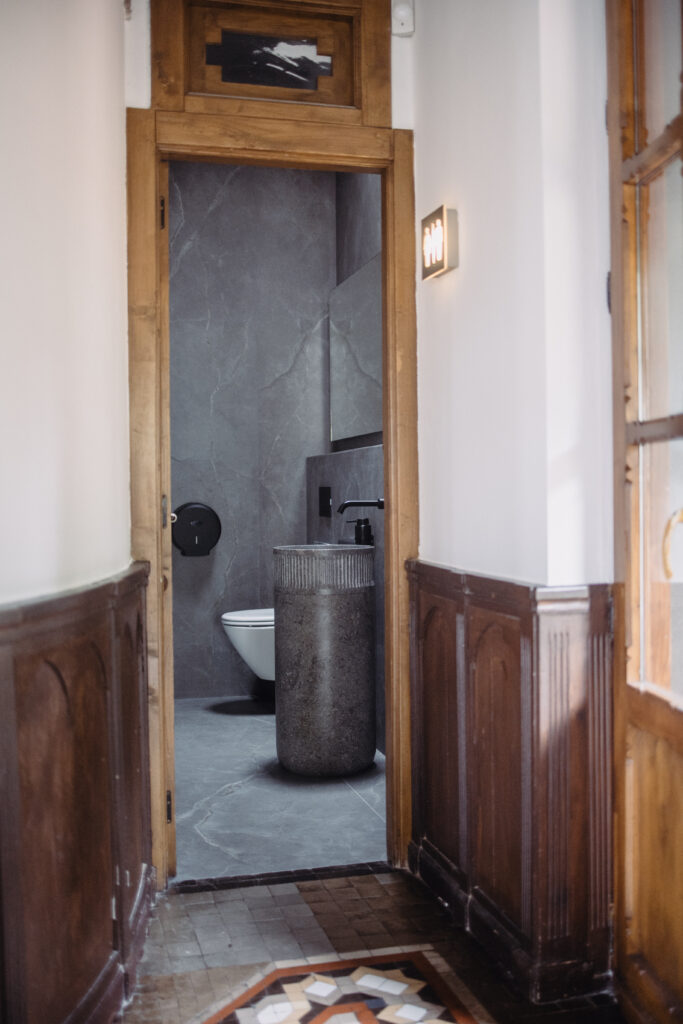
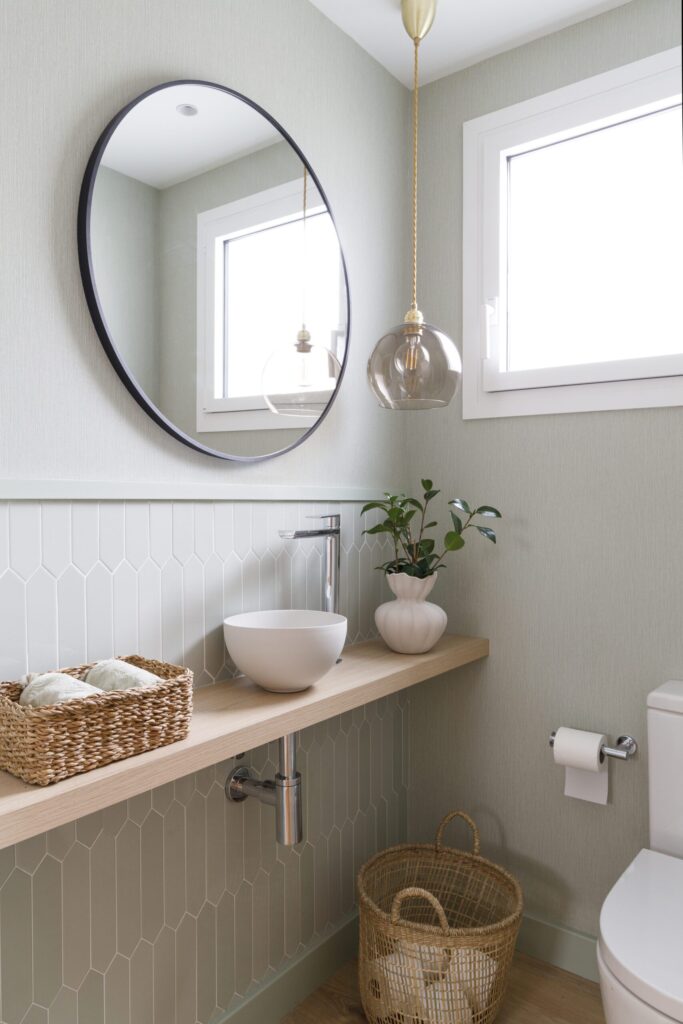
Striae pedestal - Project by Cenador de Amós
Minilys washbasin - Project by Pia Capdevila
5) Underestimating daily maintenance
In practice, "I love it" becomes "I can't be bothered" when cleaning is inconvenient. The shape, encounters and use (hard water, limescale, cleaning frequency) determine the experience.
How to avoid it
-
Prioritise designs that facilitate maintenance:
-
Accessible surfaces
-
Clean encounters (no impossible corners)
-
Ways to manage water well
-
-
Avoid decisions that complicate your daily life:
-
Textures where lime or dirt is more noticeable (depending on the area and use)
-
Corners that collect water
-
Washbasin–tap combinations that cause splashing
-
Practical advice
If you live in an area with hard water, choose a configuration (shape + tap) that reduces splashing and makes drying easier.
6) Choosing without considering durability
A washbasin is not a "seasonal" purchase. What matters is not only how it looks on the first day, but how it performs over time: use, cleaning, knocks, products, humidity, changing trends.
How to avoid it
-
Commitment to timeless design: shapes and proportions that do not depend on a particular fashion trend.
-
Valuable the manufacturing quality and finishes: it is noticeable in the use, cleanliness and stability of the whole.
-
Think about the whole picture: a durable washbasin fits into a bathroom that is also durable (furniture, lighting, taps).
The best choice is the one that still feels right in 5 or 10 years' time.
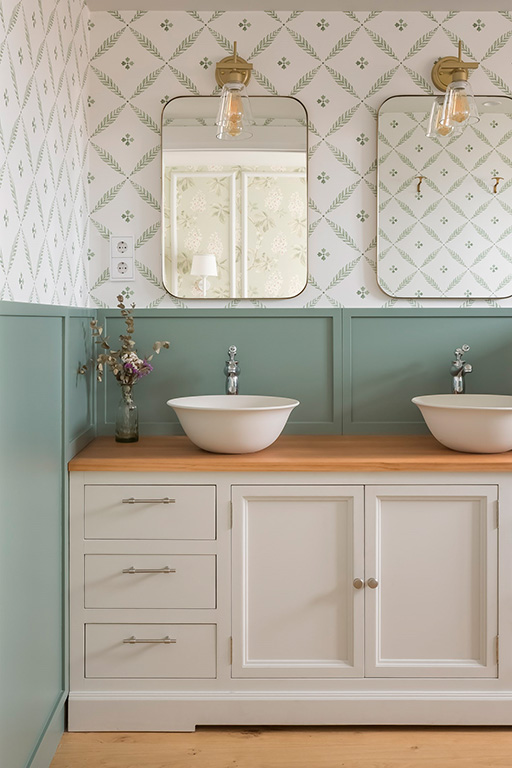
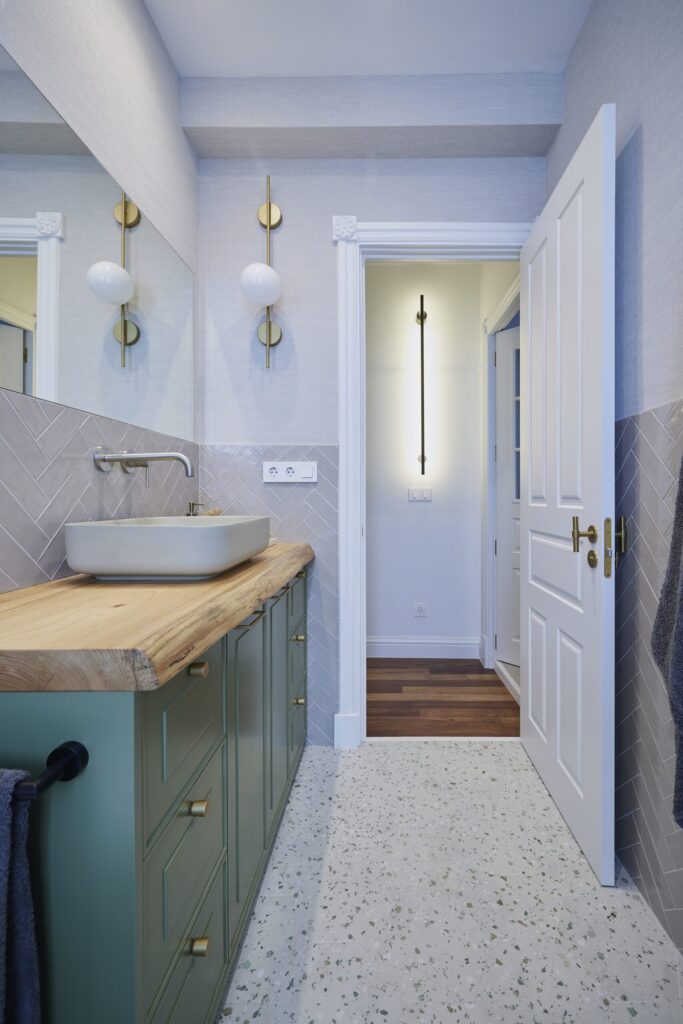
New Nordic washbasin - Project by Rodes Arquitectura
Dinan washbasin - Project by Ignacio Agudo
Quick checklist before deciding
If you want to choose a washbasin without making any mistakes, check this before completing your purchase:
-
What type of bathroom is it for and how many people will use it?
-
Do the size and proportions fit with the furniture, mirror and doorway?
-
Is the installation defined (countertop, suspended, pedestal, on top of furniture)?
-
Are the faucets compatible and will they prevent splashing?
-
Will it be easy to clean as part of your actual routine?
FAQs
What is the most common mistake when choosing a washbasin?
Choosing it solely for aesthetic reasons, without considering everyday use (splashes, comfort, cleanliness and proportions).
Which is more important: design or functionality?
Both. A good washbasin should be the centrepiece without compromising on ergonomics, cleanliness and durability.
How does the installation affect the choice of washbasin?
Completely: it defines the final height, type of taps, technical feasibility, accessibility and the overall appearance of the bathroom.
How do I know if a sink will be easy to maintain?
Consider access and encounters: the cleaner the design (without awkward corners) and the better it manages water, the easier it will be to maintain.
Conclusion
Choosing a washbasin is a decision based on use, proportion and durability, not just style. If you avoid these common mistakes and make your decision based on clear criteria—type of bathroom, installation, ergonomics, maintenance and overall consistency—the result will not only look better: life will be better every day.
If you are planning a project and want to ensure that your choice fits your space and how you use it, the most effective approach is to first define the context (use and installation) and then choose the design.