


Hotel architecture
Trends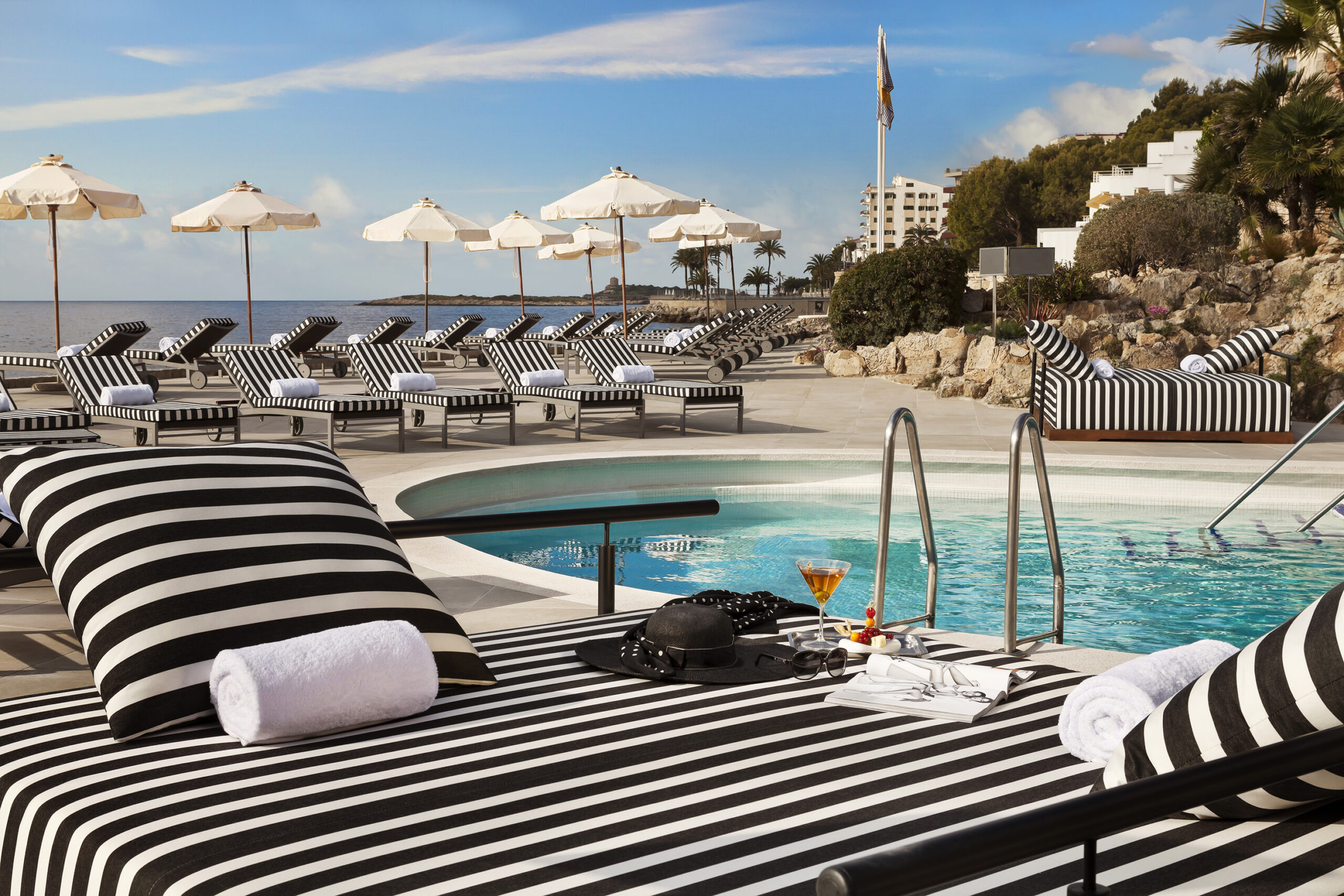 Any city can become a destination of great international interest, whether touristically, commercially, or culturally. Implementing hotels with the characteristics demanded by each of the major capitals is a major challenge for hotel chains, which is why they turn to renowned architectural firms specialized in the hotel sector to meet customer needs.
This is the case of Meliá Hotels International and Álvaro Sans Hospitality Architecture, a partnership that has worked hand in hand for decades to create hotels present in 40 countries across four continents. The result of this collaboration is the design of iconic hotels that have served as a model in various countries, accumulating extensive experience through more than a hundred significant and successful projects in resorts, hotels, and urban planning.
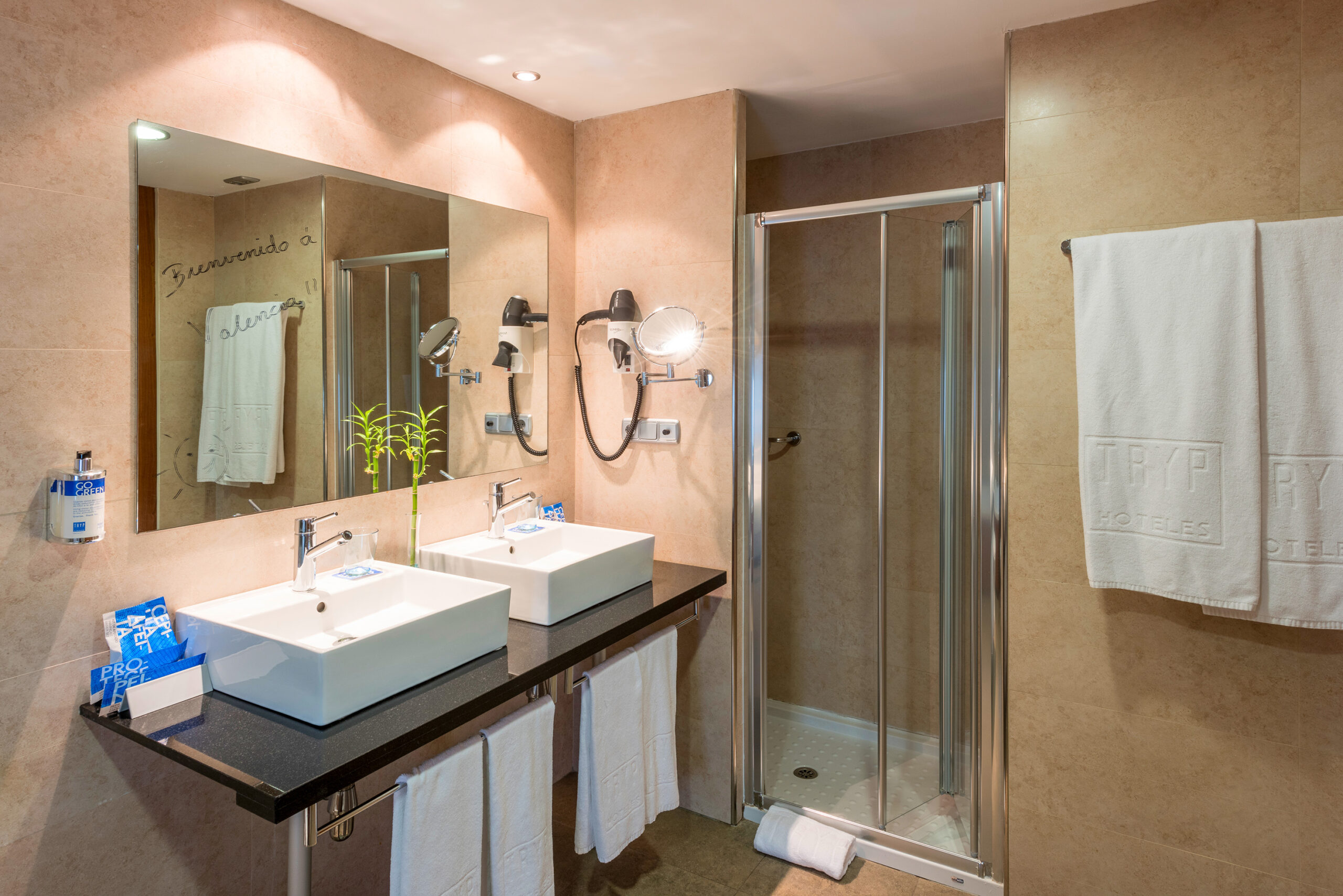
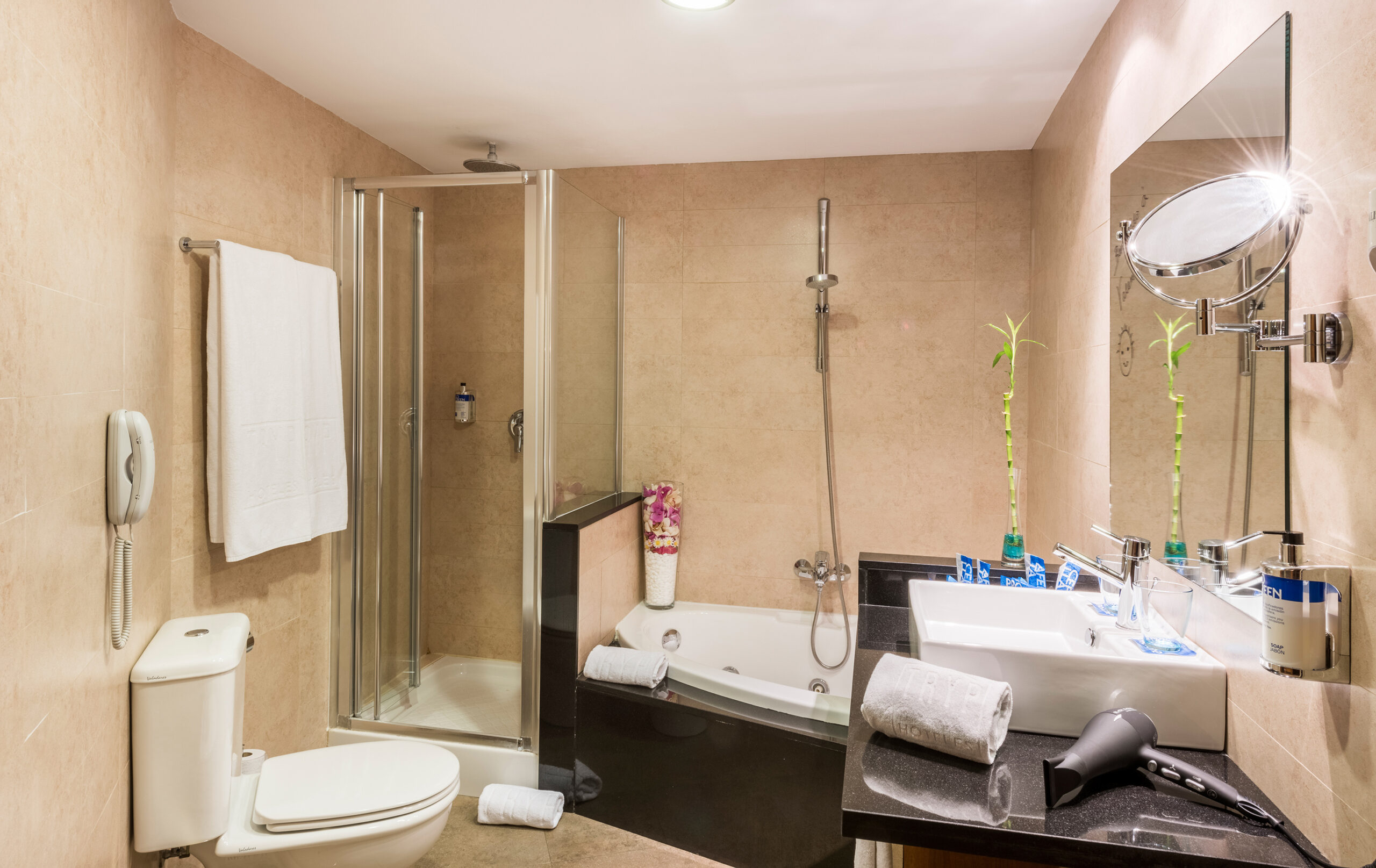
Bathco brand designs in its most contract line are part of some of the projects developed by this studio. The renovation of Hotel Gran Meliá de Mar completed in 2008. Located in an emblematic setting in Mallorca, this hotel has become one of the most charismatic on the island and is considered one of the best examples of modern architecture in the Balearic Islands. The Cádiz sinks from Bathco are perfectly integrated into the interior design of the rooms, which are based on simple and harmonious lines.
 Álvaro Sans Cañada comes from a family with a technocratic tradition, boasting five generations of civil engineers and architects. This environment led him to study architecture at the Higher Technical School of Architecture of Barcelona. From 1986 to 1988, he was director of projects for Grupo Sol Meliá, collaborating with numerous international architects. In 1989, he founded the company Arquitectura Hotelera, through which he has carried out his work in 40 countries across four continents., designing landmark hotels that have served as models in different countries, accumulating extensive experience through over one hundred significant and successful resort, hotel, and urban development projects.
We spoke with the person responsible for projecting the technical, urban planning, and architectural aspects of the group, issues that also extend to the urban sphere.
Throughout your professional career, many hotels have passed through your hands. How is architecture applied to the hospitality sector?
Hotels, like everything else, evolve with the times and current trends. You can't operate a hotel from the 80s or 90s today without a deep renovation. Hotel architecture is contemporary but highly specialized architecture.
You state that you have been professionally evolving for 28 years. During this time, you must have seen changes in the sector. What aspects have changed?
The changes over the 28 years we've been working in hotel architecture are very significant; the world has changed, and so has the way we live. Previously, the importance given to light and outdoor spaces was not what it is today. Bathrooms have also evolved in a decisive way. They are now part of the room; we talk more about a spa than a restroom.
At some point, you've mentioned that all your projects share a common denominator of respect for the environment and local culture. How do you manage to combine these aspects with your projects?
It is essential to visit museums more than the competition... It is necessary to know the climatology, the materials of the place, and its pre-industrial architecture to achieve ecological architecture. Function goes hand-in-hand with form in architecture; otherwise, it is engineering or purely decorative buildings.
How are environmentally friendly projects achieved? Sustainable materials, respect for the landscape, etc.
As I've said, the best approach is to build with local materials that don't require much transportation. It's also important to do so in a simple way, aiming for the maximum number of elements to come pre-fabricated so that installation is easy. The most important thing is to produce clean energy, solar, etc., and to incorporate greenery wherever possible: green roofs and facades, patios and gardens... we have planted thousands upon thousands of trees.
 You carried out the renovation of Gran Meliá de Mar, a building constructed in 1964 that is considered a prominent example of modern architecture. How do you approach a project of this importance?
With great respect, it is an extraordinary building. What we have done is update it with high-quality design and furnishings. We have also enhanced its exteriors.
How are each of the spaces addressed – the foyer, common areas, bedrooms, bathrooms, etc.?
The hotel program varies greatly by brand. In this case, Gran Meliá requires a luxury hotel with controlled spaces. The most important thing is to merge the exteriors with the interiors, eliminating barriers. Also, spaces today are multifunctional; they must be usable all day for different purposes, and that is a challenge.
Regarding bathrooms, how do you achieve spaces where comfort and aesthetics take precedence?
Bathrooms today are open, forming part of the room. This requires their design to be very carefully considered and the elements that make them up to be of the highest design and functionality. With the exception of the toilet, which we give a private space, the rest of the bathroom is part of the common space of the room. Seeking, of course, privacy at certain times with movable elements.
Architecture awards won
Best Resort in Europe, Eco Hotel of the Year, gold medal at the first State Biennial of Architecture, Quintana Roo, 2003, Green Planet Award (USA) 2008, and Best Hotel Architectural Design in the World in 2009 for the design of the Gran Meliá Palacio de Isora hotel, located in Tenerife, Canary Islands. In 2017, it received the GM PALACIO DE LOS DUQUES 2017 award.
Photos: Hotel Gran Melía de Mar and Tryp Valencia Azafata