


How to create a successful restaurant
StoriesHotel architecture already carries significant weight because it is necessary to create successful businesses that are a summation of well-related factors.
To achieve this, it is necessary to understand the hospitality industry and master the language that emotionally engages customers with the establishment's business strategy. The team at CM4Arquitectos architecture studio, with extensive experience in designing restaurants in various cities across the country, knows a great deal about this.
We have spoken with Javier Verdugo, Associate Architect at CM4architects who talks to us about this booming field of architecture and gives us advice on creating signature restaurants.
Lately, CM4Arquitectos has been working more on attracting attention by designing simple, discreet, and pleasant spaces, rather than flashy ones. They have realized that amidst the whirlwind of new establishments, what stands out more is the different and the simple, something that is complex given the high level of competition that exists.
Awaken customer emotion
Nowadays, especially in Spain, we have a widespread culture of frequenting hospitality venues, which means it's increasingly difficult to evoke an emotion in a customer.
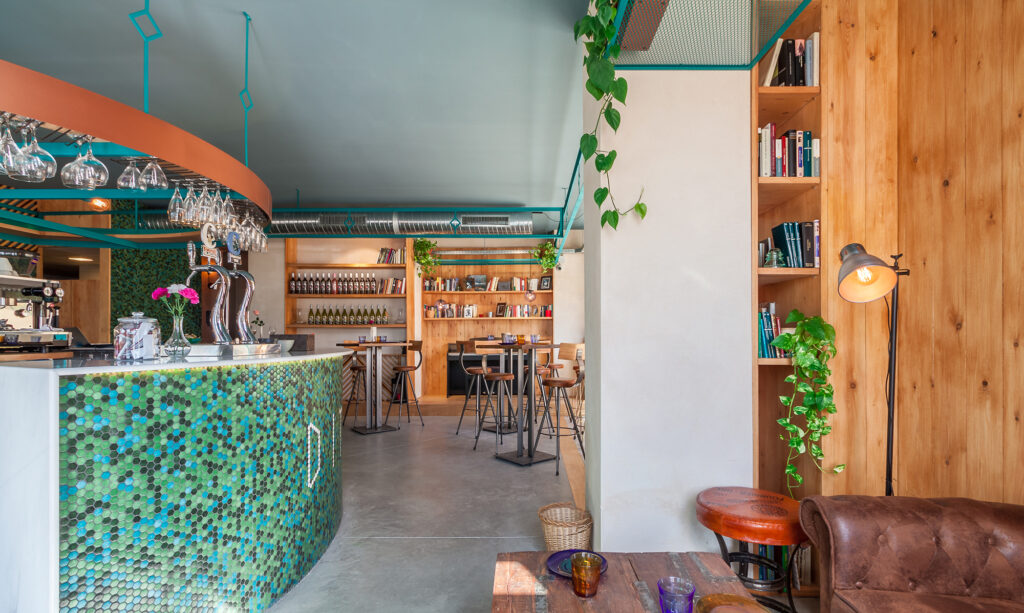
Restaurant in Mairena – Ditirambo – CM4Arquitectos
Balance Between Restaurant Design and Needs
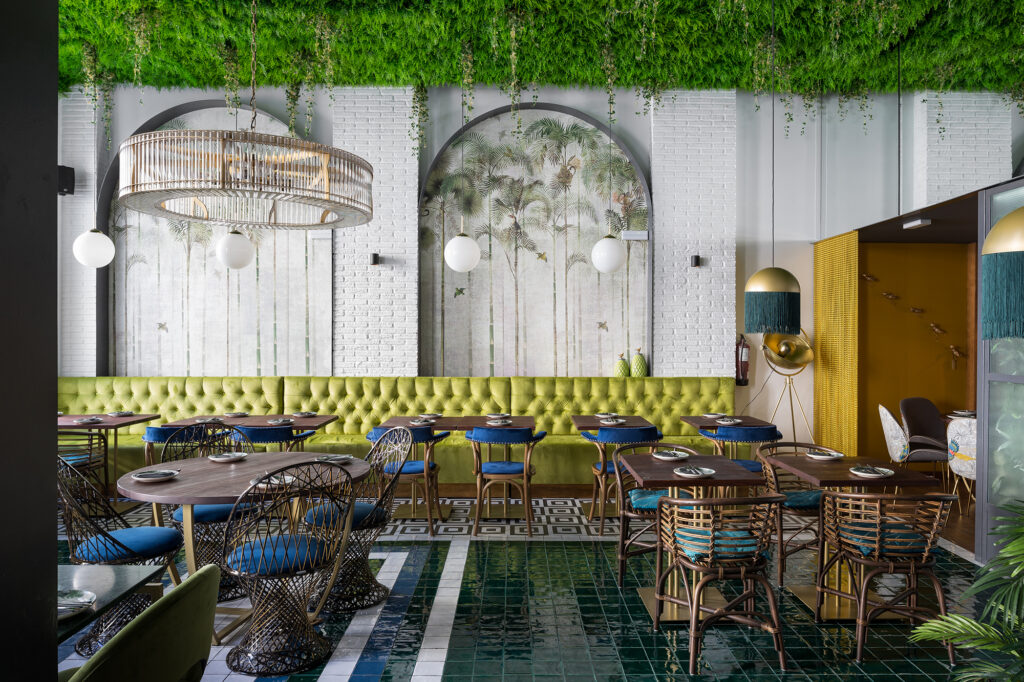
LPA The Culinary Bar – CM4Architects
The first step, before beginning with the design, is to work with clients on their functional, space, and equipment requirements. The restaurant must be functional and provide good service. There's no point in focusing only on design if the establishment doesn't function; it would close within days, and we would be out of work.
“Although design is fundamental, a certain balance must be maintained with other aspects, such as functionality, cost, or timing.”
Design with the type of kitchen in mind
The type of cuisine is usually the result of a business plan and therefore of a type of customer, a type of service, a certain customer ratio, etc.
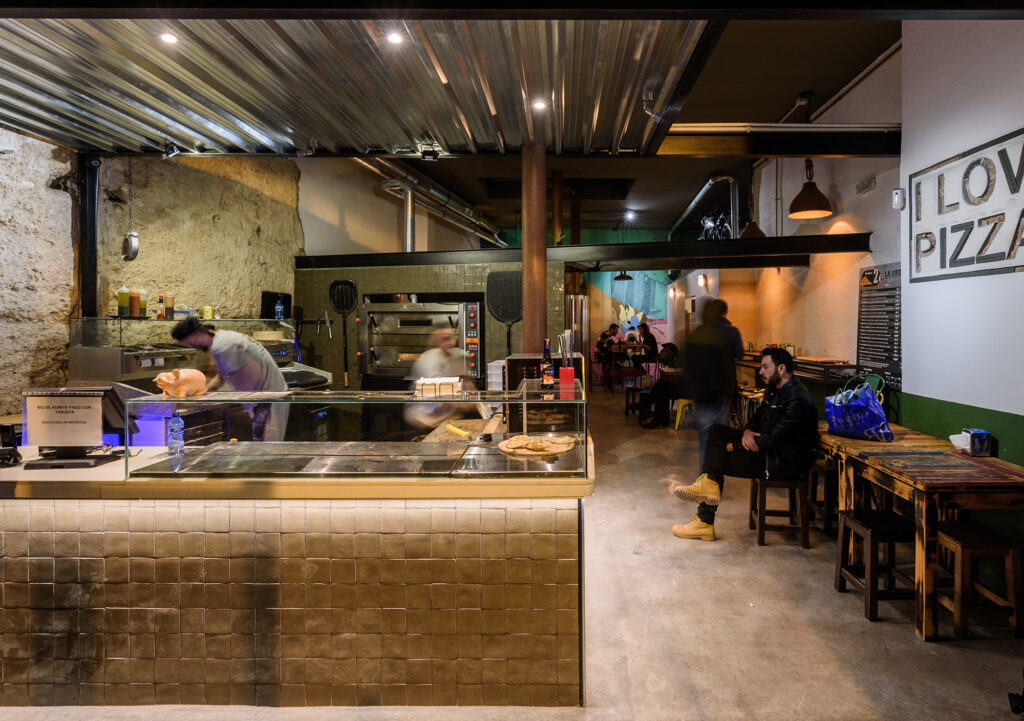
La Urbana Pizzeria – CM4Architects
These factors are decisive when designing the space, selecting materials, furniture type, lighting, etc.
Achieve pleasant environments
Although trends evolve and change, there are fixed factors when creating a pleasant atmosphere. Warm-toned lights and natural materials are always synonymous with comfort.
Starting from this base, we continue to work with colors and textures depending on other aspects or sensations we wish to achieve.
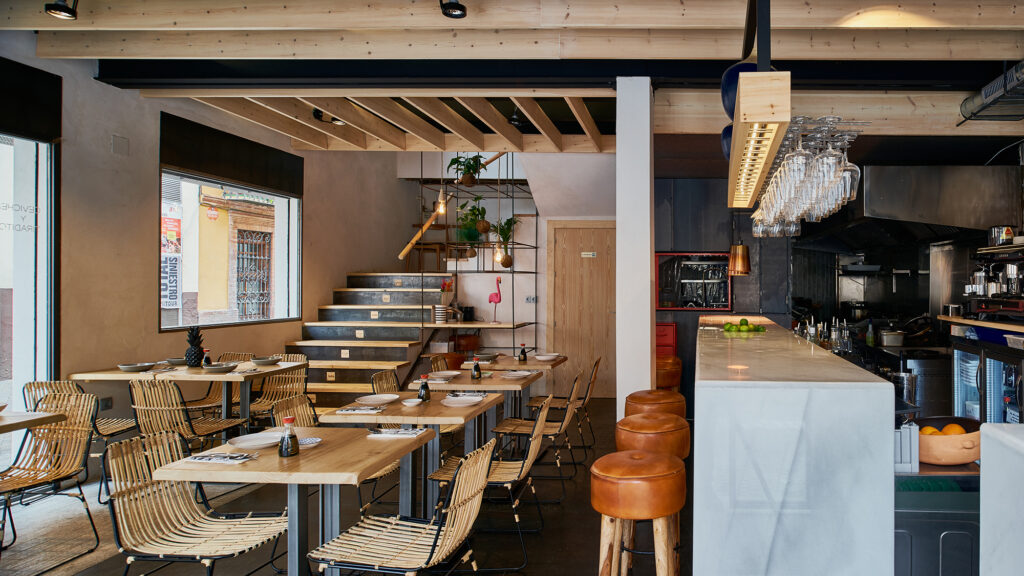
Restaurant Chifa Tapas – CM4Arquitectos
Customer experience
The client, although not directly aware of it, perceives when a space is thought out and designed. When there is an interior design project in a location, everything is placed in a specific, intentional spot; nothing in that space is casual or done on the fly.
This design work makes every visit to the establishment different, encouraging customers to return or recommend it and to want to spend time in it.
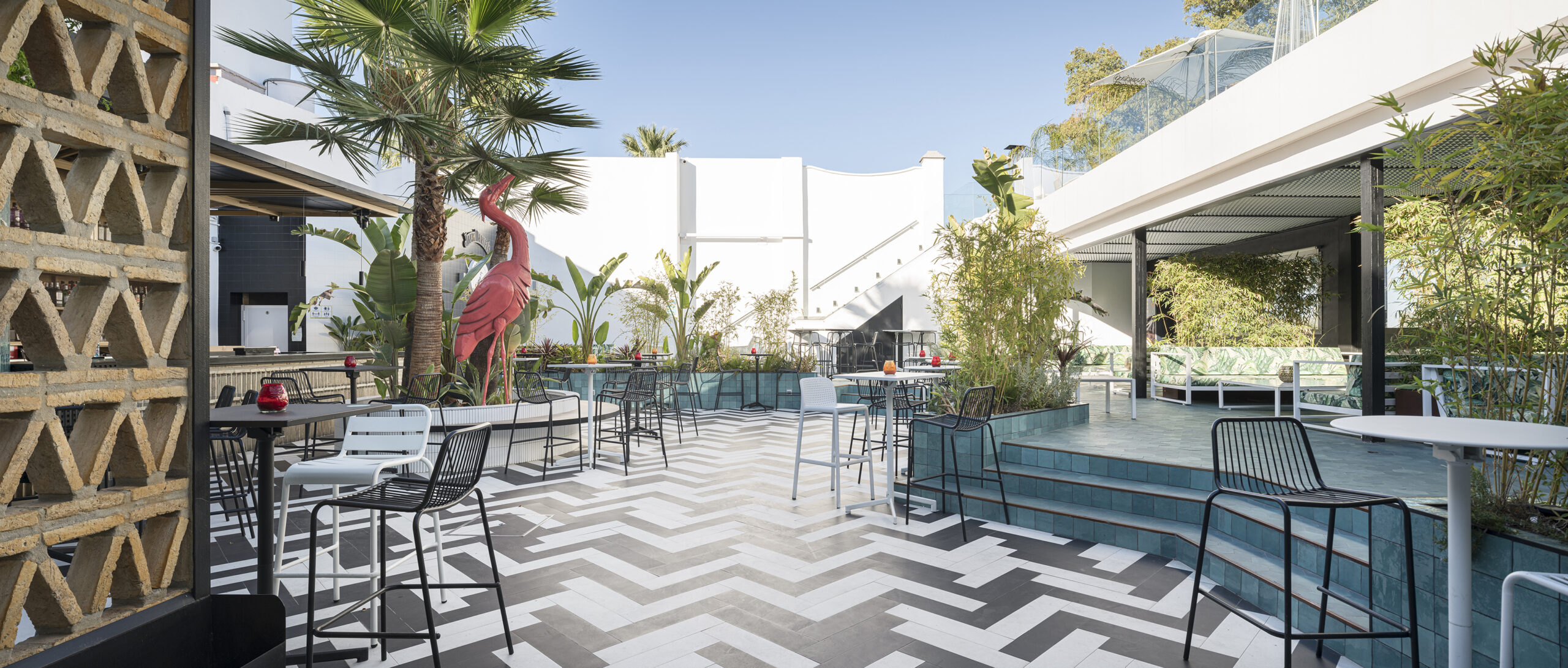
Lantana Terrace – CM4Architects
Project onto historic buildings
In projects of this type, it's quite a challenge to work with historical constraints; we tend to be quite cautious and respectful of the environment in which we work.
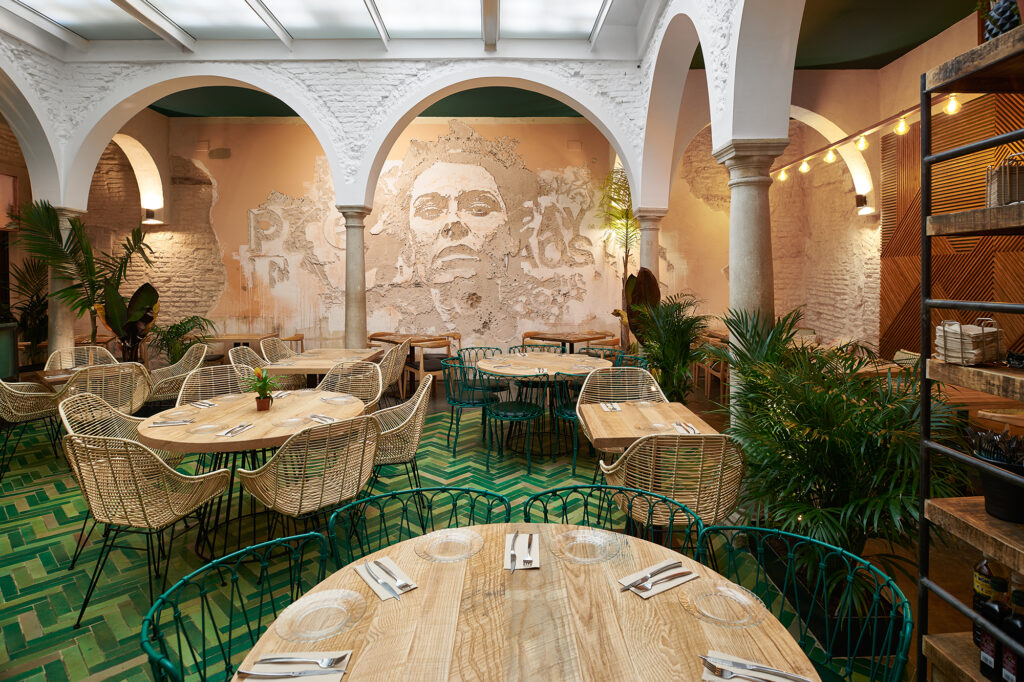
Lobo López Restaurant – CM4 Architects
This allows us to rely on elements that we cannot “touch” and that we use to highlight them, showcase them, and combine them with contemporary solutions and materials.
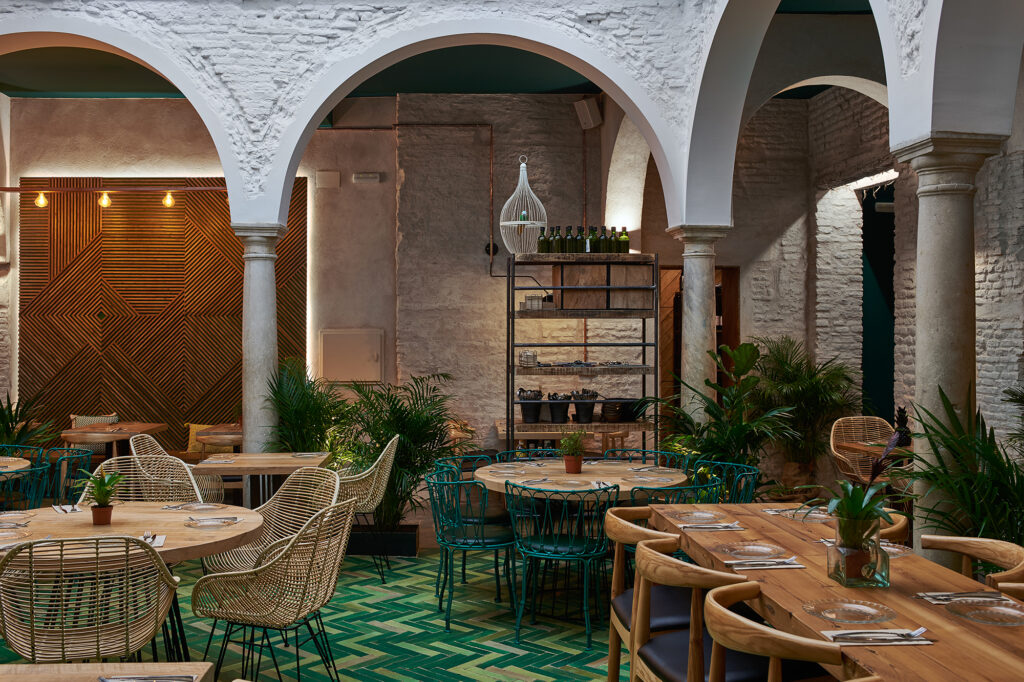
Lobo López Restaurant – CM4 Architects
The restrooms of a restaurant
Historically, it has been the residual space, what's left in the back right, but for us, it's a perfect area to unleash our imagination.
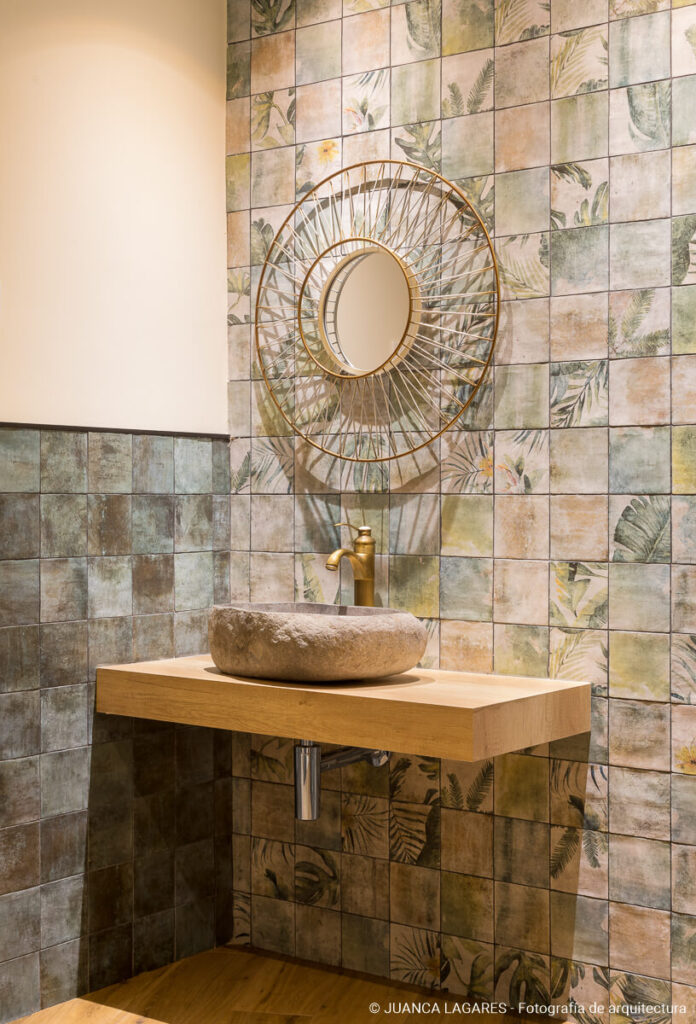
Photo: Fuanca Lagares 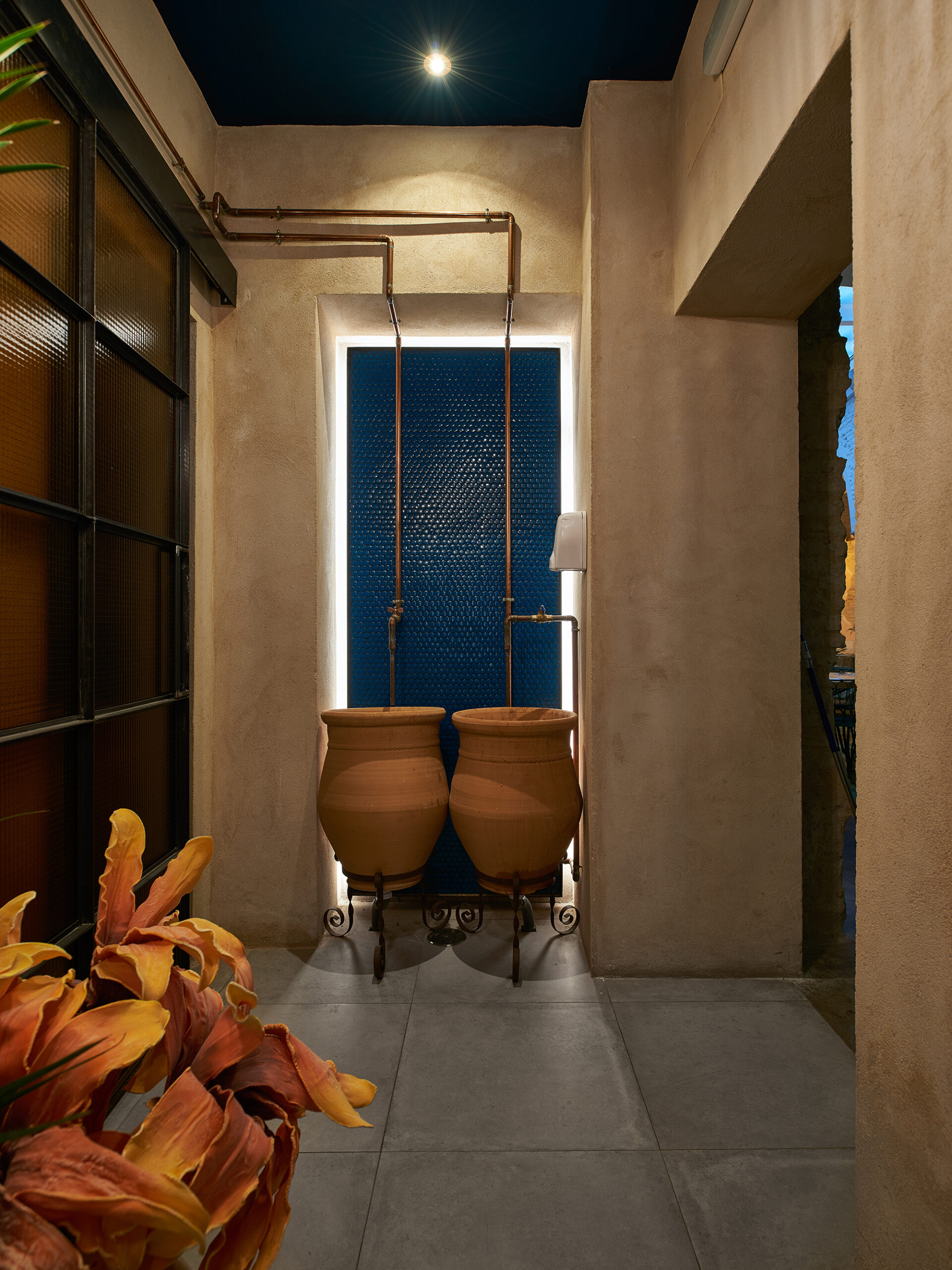
CM4 Architects
It's a space that occupies a fairly high percentage in the hospitality industry of the surface area of the premises to the point of not considering them and that practically all clients use.
As I mentioned before, if every space is thought out and designed, it will translate into customers commenting on their experience, sharing it, recommending it, and returning.