


The interior design experience of Natalia Zubizarreta
StoriesThe interior designer Natalia Zubizarreta With over fifteen years of experience in the industry, during which she has made her clients' dreams a reality. She not only designs the best interior tailored to each budget, technical, and aesthetic needs, but she also works with dedication based on ethical interior design. We speak with the head of the studio.
We're talking about Natalia Zubizarreta interior design.
In the studio that bears my name, Natalia Zubizarreta Interior Design, we focus primarily on home renovations and projects, comprehensive residential work. Currently, we are a team of seven women, including interior designers, architects, technical architects, administrative staff, and more. The truth is, it's a team with beautiful, youthful energy. We've been working together for five years, and there's a spirit of great peace and tranquility.
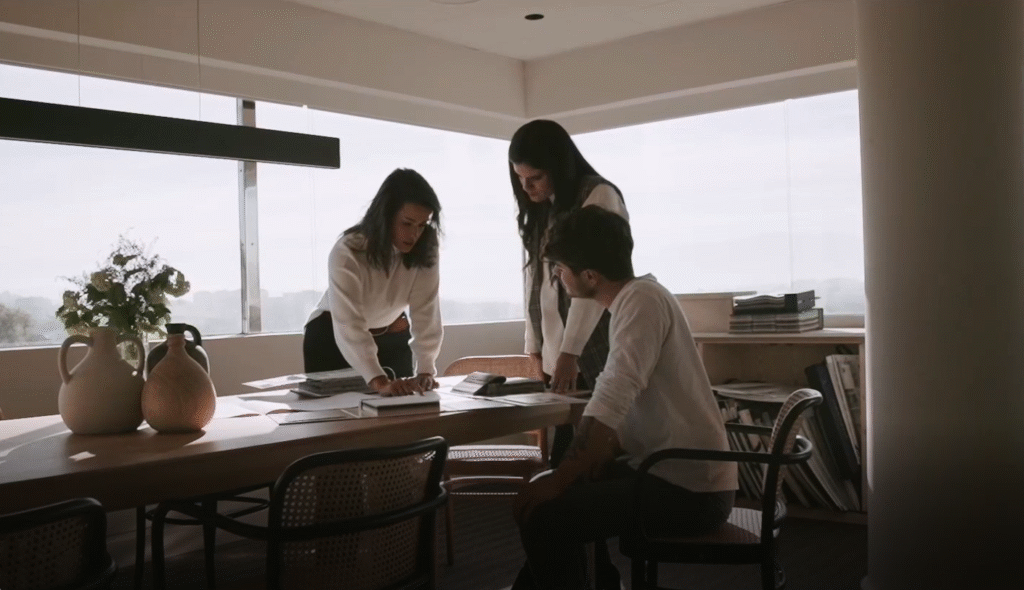
First came the creativity inherited from your Argentine grandmother, then the opportunity to work in a decoration store, and little by little, passion turned into a profession. How does an interior designer mature? What evolution do you see in your projects?
And I believe there's a close relationship between one's personal journey, the personal growth I've undertaken, because one starts as an interior designer, but then there's the role of being an entrepreneur, and for me, that has been the real growth.
Getting the team, the company, understanding what the client wants, aspiring to excellence, improving, learning, through setbacks and more setbacks. And there's a point where the better I feel, the better the projects turn out, and it's about self-esteem. The more self-esteem I've gained, the more confidence I've had, and therefore I've been able to get the client to trust in projects of greater scope, and honestly, it's a personal process that extends into my work in my case.
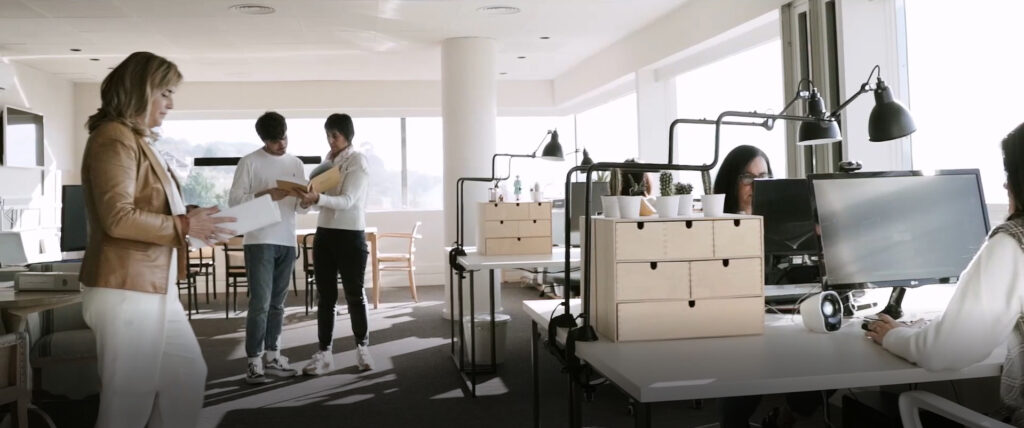
From the beginning, you have committed to ethical interior design based on clarity and honesty. Explain this idea to us.
I used to see a lot of prejudice in the interior design world, that the decorator would come in and just tear everything down without reason, deceive you. It wasn't clear, it wasn't clean, at least not from what I was seeing, and you'd find a client who was either completely beaten down by previous professionals or very distrustful. For me, that has been a premise: this is what we have, this is what we are going to do, this is what it will cost. That respect for the project, respect for the budget from the beginning.
Possibly on the first call we will be the most demanding, for sure, but I prefer to lose them on that first call than when things have already progressed because we haven't done our job well. And then, for me, working from a place of trust has been very important in terms of ethics and values. I understood that if the client didn't trust us, didn't let us work, didn't let us take care of things, and let go of that control – which often comes from fear – it wouldn't work. The more the client trusts, the better the outcome, and we've proven this because our projects are almost done blindly.
There's talk today of a democratization of interior design. Has your studio noticed this change? In what sense?
I believe interior design has become a service that people now consider from the outset. Before, it was something for people with high purchasing power, something you thought you couldn't afford. Now there's a lot of demand. Perhaps television shows where a magical effect was seen have played a big part. A lot of space has been given to understanding what interior designers do.
People no longer have time to take care of things; they need someone to help them... Just as nowadays you don't just work out, you practically have a personal trainer... there are many services that used to be a luxury and that people now say: I need this, and also the level of demand. And you don't just want a cute house; now you want the trendiest, most high-end house...
Social media makes us show our homes, what's in the background, creating an almost perfect frame that everyone is now demanding. So it's been understood that an interior designer helps a lot and is a worthwhile service.
Your projects have a very characteristic style that is based on timelessness, freshness, and lightness. How do you manage to adapt to your clients' needs?
For me, the role of an interior designer is simply a mere translator between what the client dreams of or has in mind and the harsh reality. So I believe we make a great effort to blend in with what each client asks for. For me, it's very important to listen to the emotional need, the final concern of each project and to say, I think we should go in this direction, and with humility because I believe that's basic; to say, come on, let's transform what he intends, what he's trying to make us understand, into something that is totally personalized. Then, within a style that inevitably always emerges, that there's a common thread between our projects. I think we have projects with a hyper-minimal, modern style... that you'd say, wow! How is it possible that they are then related to the same studio that does something very classic, very ornate...? So for me, that would be being very chameleonic and making it work in terms of something practical, because it can always be beautiful. That it's practical and also fits within what was agreed upon regarding budget, deadlines, etc., it also has to be.
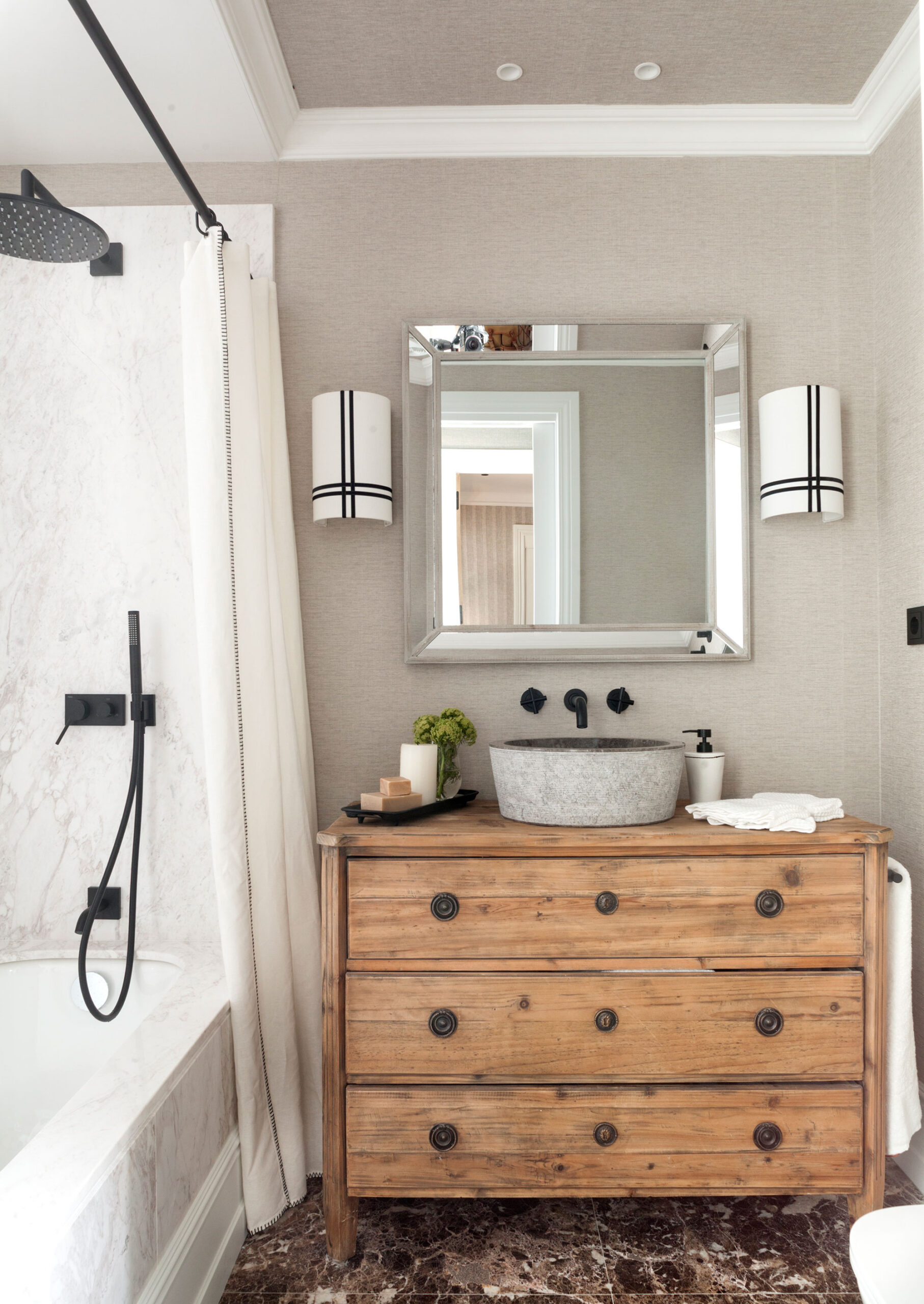
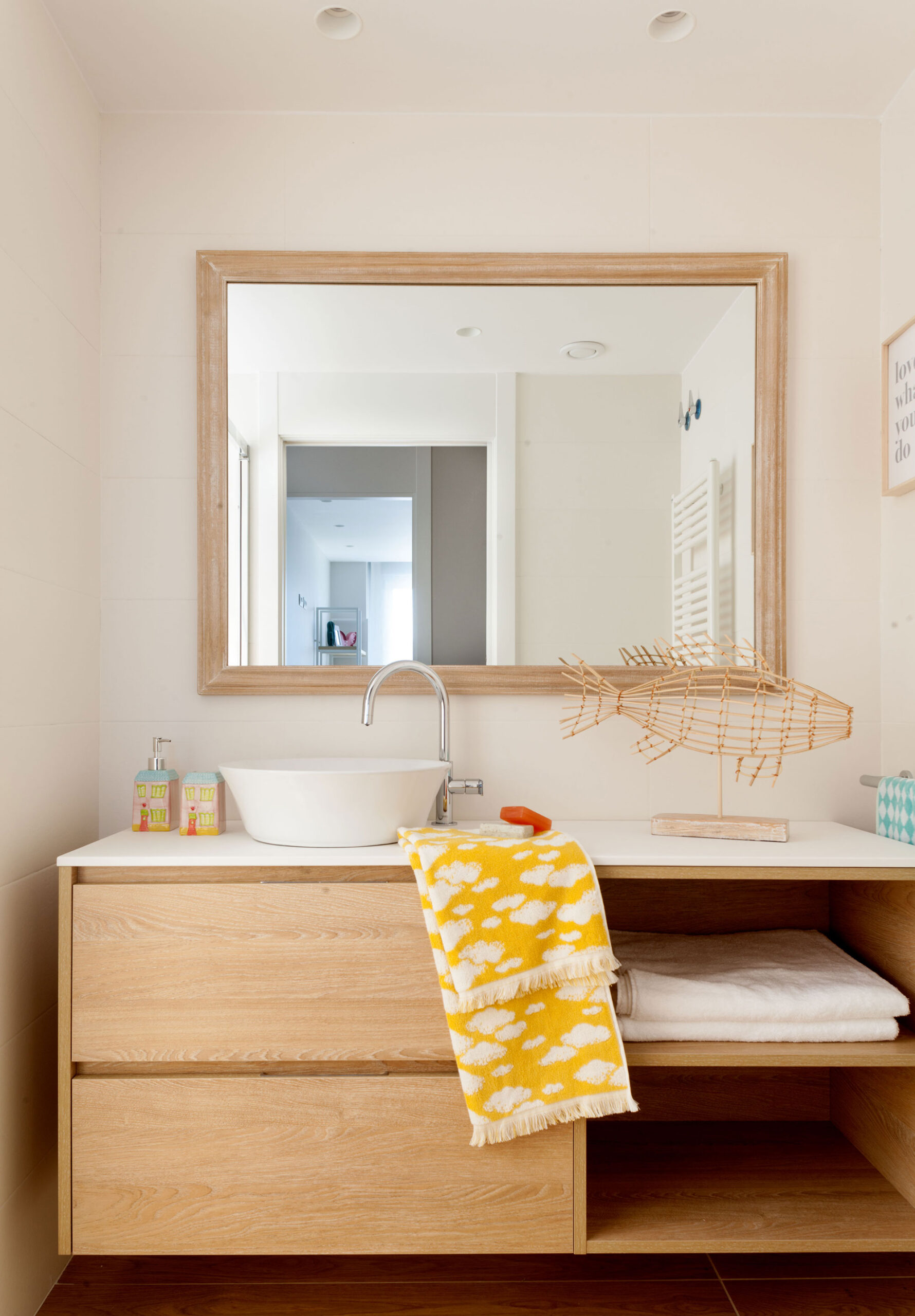
We see that your collaborations in magazines, and even television and radio, are increasing... Not to mention your following on social media. Are communication and interior design an indisputable binomial today? For you, is this focus a business strategy, or did it arise almost spontaneously?
I believe that communication in any business today is an indisputable binomial; it's necessary. It seems like if you're not present on social media, you don't exist. Of course, there are great professionals in the industry who don't even have social media and work wonders, but they're more of the old school. For me, it was a matter of... I went out on my own five years ago and said, "How do I show my work to the world? How do I get clients?" And I started little by little five years ago, like a little ant, putting in many hours, many hours, and in the end, you get the hang of it. For me, especially Instagram is the social network where we have the most presence. It has resulted in... that social network is so beautiful, so sweet, it has a point of... the affection you receive, the support, how the work is valued... it's a social network that for me is very magical and gives you a lot of energy to keep working, to show your work, and I think it's necessary to be there.
The people are super friendly, if you have any problems... we've had real miracles happen, like when we said we didn't have internet and a woman from Murcia who worked for the phone company managed to get it working, gifts that people send you, the love that's transmitted on that network is something
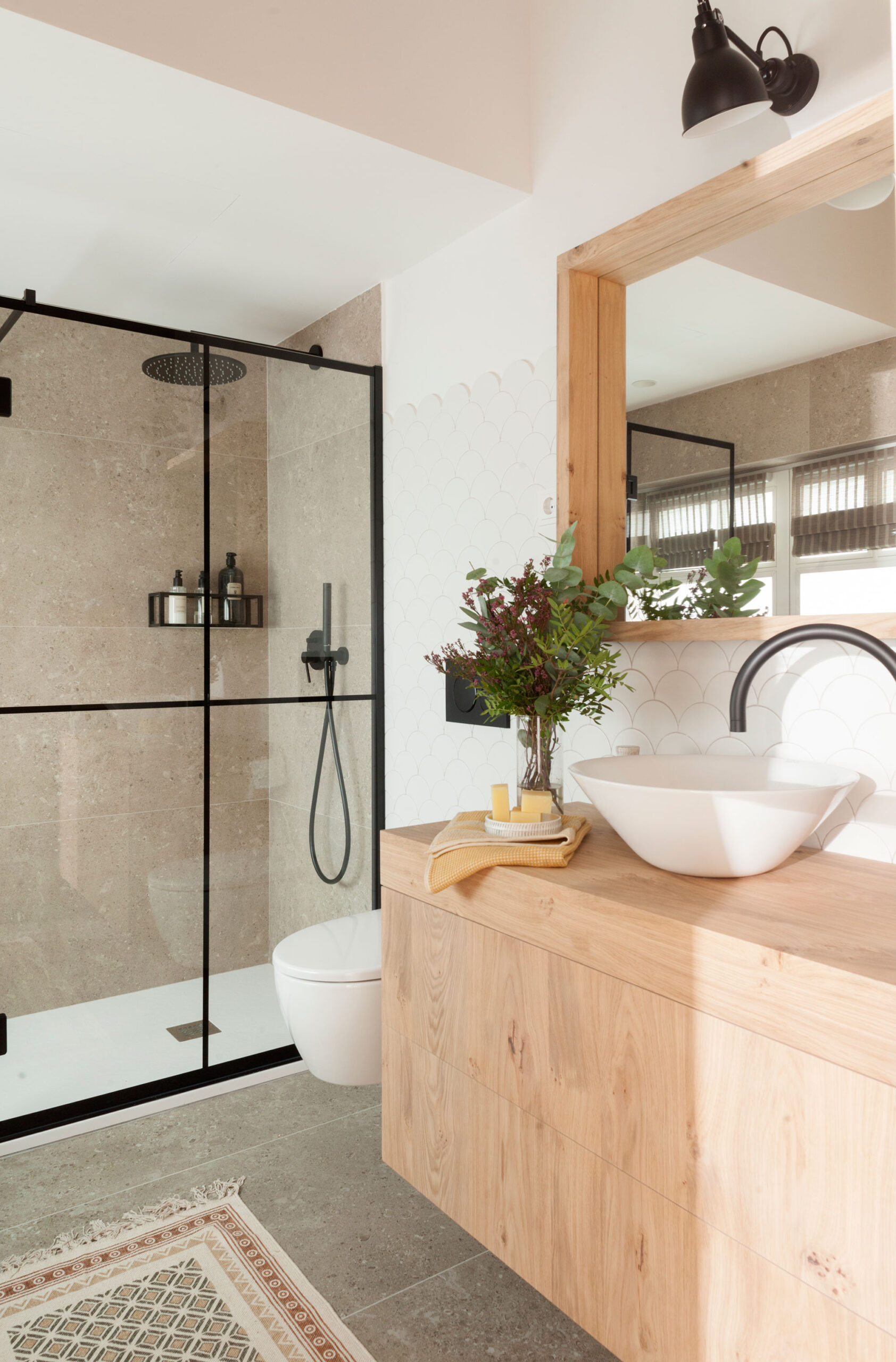
Focusing on the bathroom, what is the importance of light, materials, and each of the elements? How do you make the bathroom a relaxation zone?
When I go to a hotel, it's one of the spaces I focus on the most to determine if the hotel has class and if there was a good design project. This is because sometimes they put a lot of effort into common areas but then they drop the ball in the bathroom, which always ends up feeling a bit cold. For me, a bathroom needs to be very warm and very welcoming, and that's mainly achieved through materials. But it's the lighting that will give it that warm touch to make it practical yet very inviting, with different lighting options for different uses of the bathroom. And of course, it's a space that is the most intimate area of the house, where we feel most vulnerable.
Then it has to be a place with a lot of peace, and even if there are small elements: a faucet in a certain color... the structure should have a lot of calmness with neutral tones, elements that recall natural stones, woods, all the natural elements that remind us of nature, and I think they're very relaxing. The use of these materials that evoke nature is sacred to me.

In many of your projects, you work with Bathco. How would you define the brand? Why do you choose their products for your projects?
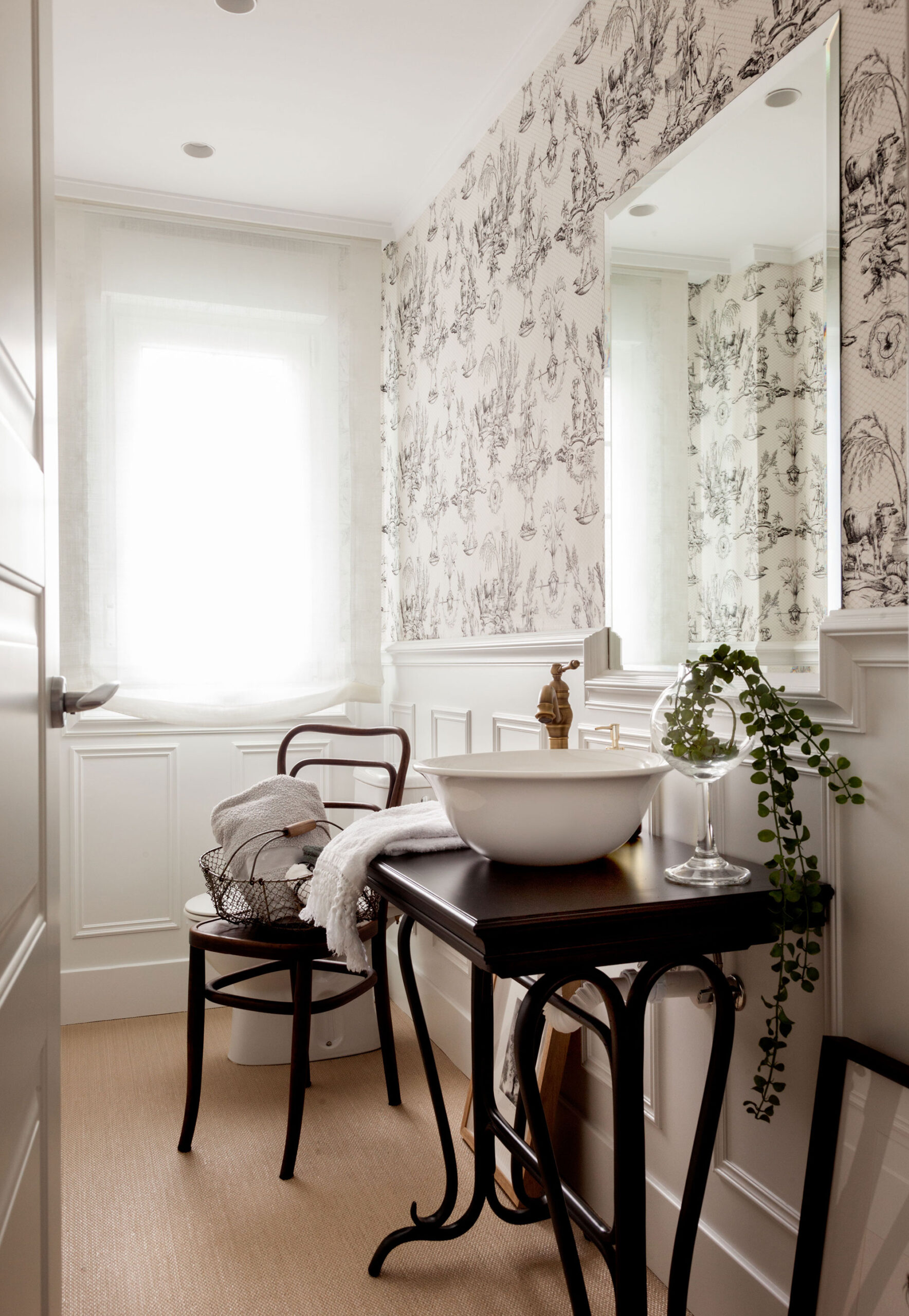
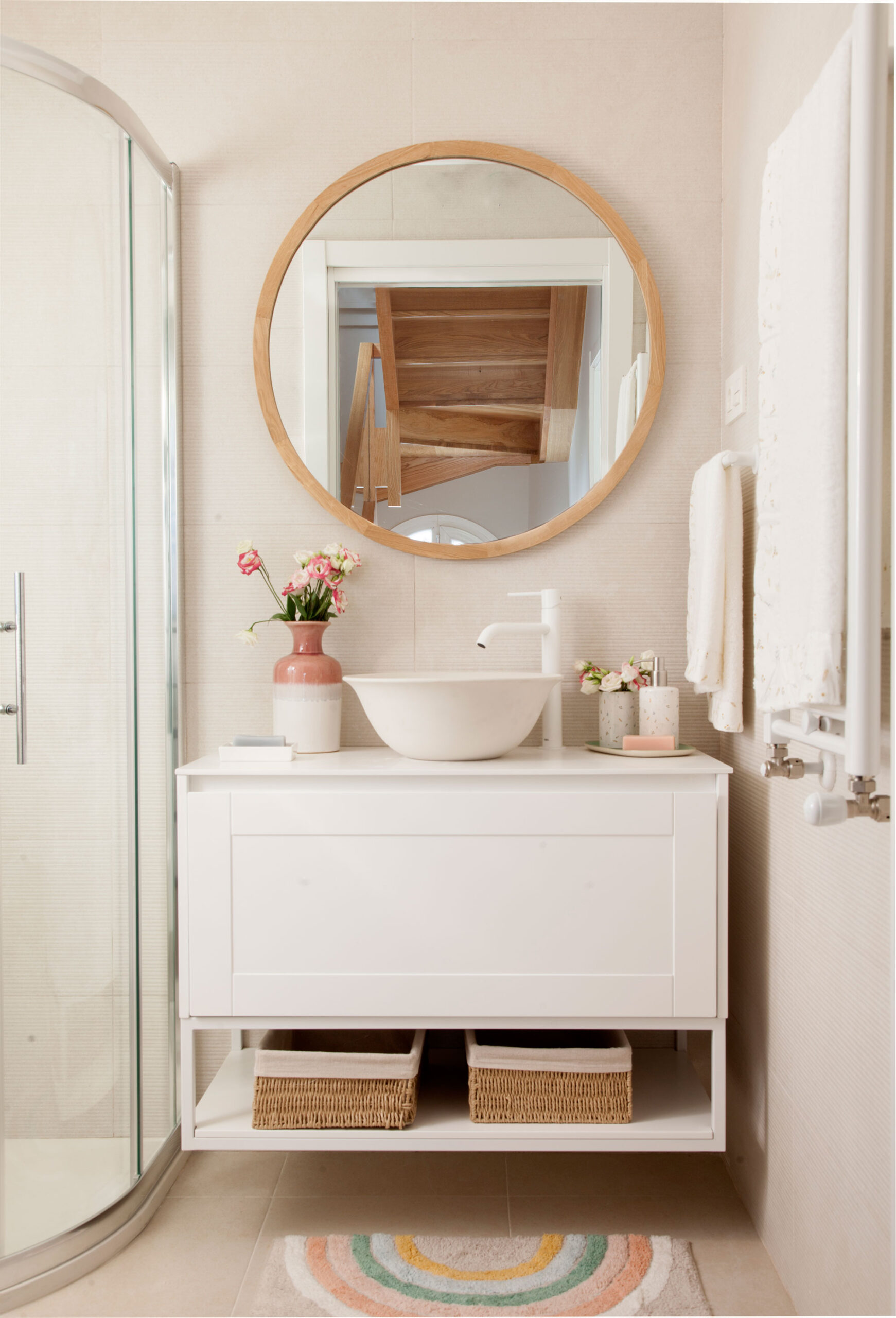
For us, it's a brand that offers us a ton of options when choosing, especially sinks. I remember seeing the Nordic model; I discovered it years ago when I started, and I said, "I won't stop until I do a bathroom with a Nordic sink." Sometimes, it's even the Bathco sink that is almost the starting point for our projects, and that's very nice.
The integration of materials, the options of different styles, that power we have to blend in, to say let's make ourselves more modern, more classic, Bathco always offers us that. No matter the project profile we have, we will always find the right product, and we also love that everything is in stock, the ease with which we can have everything accessible, and that the quality-price ratio seems super accurate to me.
During your visit to Bathco, what surprised you? Were you able to visit the Bathco Atelier? How would you define it? What possibilities do you think it can offer to interior designers?
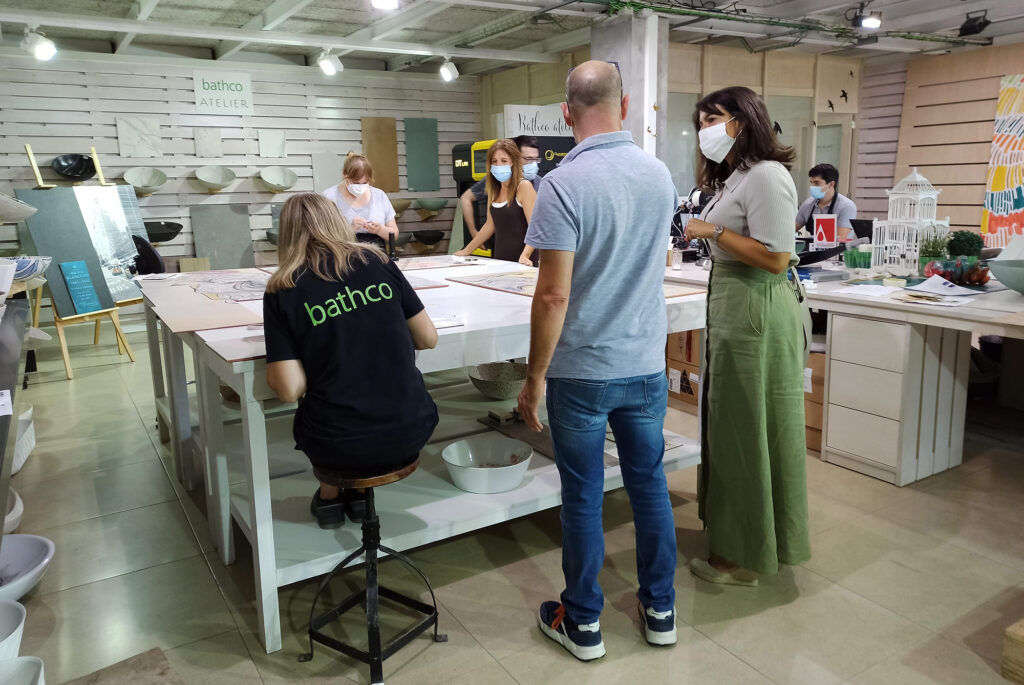
It's been a connection with creativity again, it has amazed me. There's an atmosphere of creation, of life, of light, of young people, and of course seeing all the options available, there are no limits in terms of creativity. If I suddenly imagine something, Bathco can make it. I wasn't aware of the extent to which customization was possible, and for us designers who want something that isn't in the catalog, I suddenly said, "My goodness, where do I start designing?".
I was amazed because sometimes we have this prejudice that they are more closed-off companies, like whatever is in stock is an immense range, and now I say: there are real artists working here.