


The trend in interior design towards sustainability: the reuse of furniture
TrendsEnvironmental awareness is constantly growing today and has become an integral part of our daily decisions. This awareness has also extended to the field of interior design, where the trend towards ecological sustainability has gained strength. More and more people are opting to be more environmentally friendly in interior design.
Design focused on reuse and circular economy
One of the most notable trends revolutionizing interior design is the reuse of existing furniture and elements, and the promotion of a circular economy. This allows for the creation of more sustainable and environmentally conscious spaces. Instead of discarding furniture and accessories, they are given new life through restoration techniques. Furthermore, it encourages the acquisition of second-hand furniture and objects, thereby promoting waste reduction and extending product lifespans.
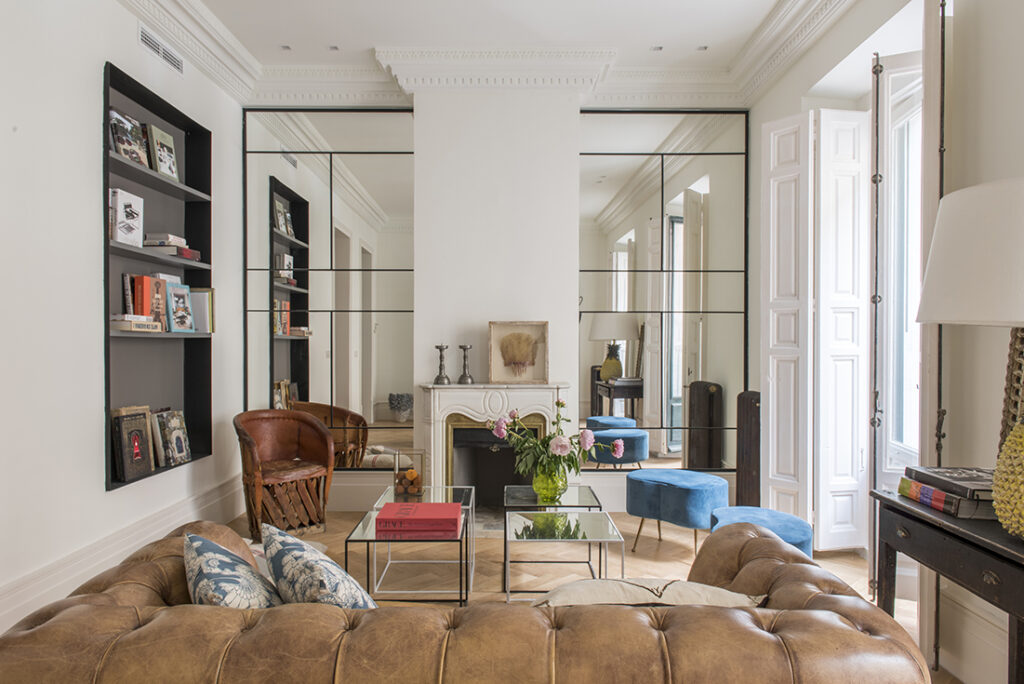
A combination that always works with furniture reuse is to evoke a classic, yet contemporary style. A great example is this house, where the studio Tristan Domecq It was inspired by its original architecture. Old furniture was recovered and mixed with modern pieces.
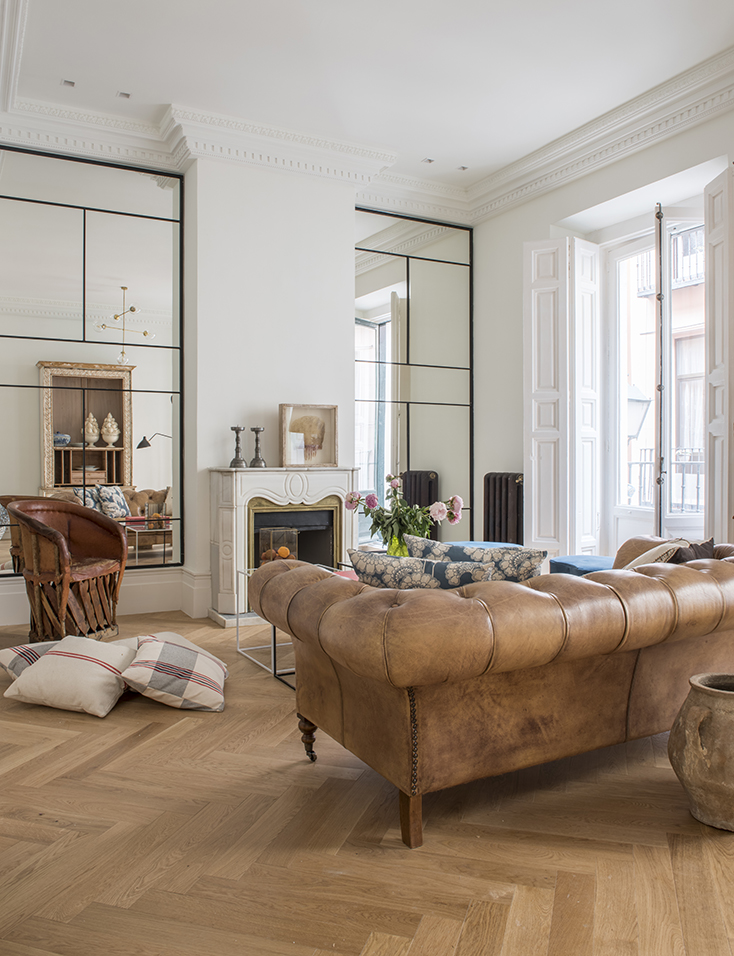
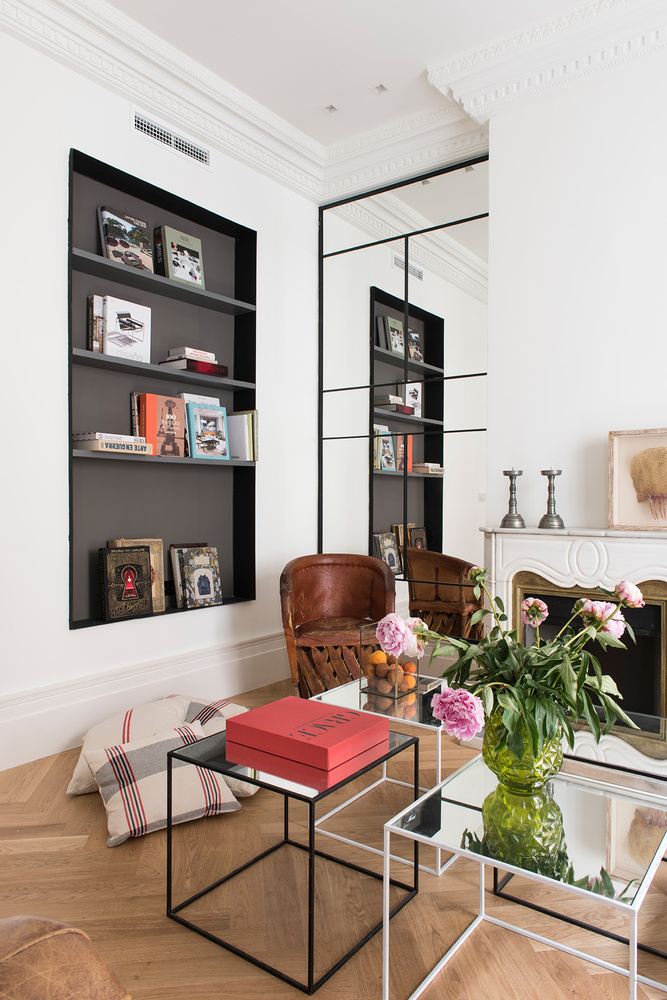
“Recovered materials, timeless pieces, and on-trend colors like black and white were used, mixed with wood to add a touch of warmth. The house's style is defined by a series of classic-cut furniture and details that are very current right now,” explains the interior designer.
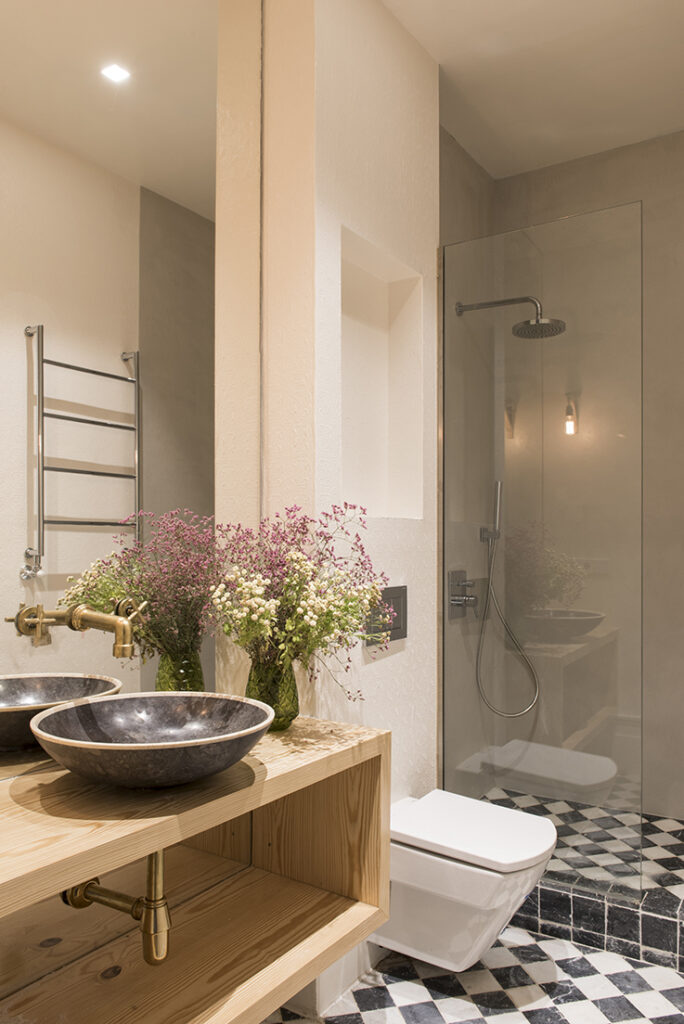
In the bathrooms, the vintage style is fully integrated with the aged-style marble checkerboard floor. The brass faucets match a wooden bucket that serves as a vanity on which rests the Duotone stone sink by Bathco.
Furniture Reuse: A Sustainable Approach
Reusing existing furniture in a home before undertaking a renovation is not only an economical option but also an eco-friendly practice. Instead of discarding old furniture and buying new, it is given a second chance, thus reducing waste generation and minimizing environmental impact. By restoring, repairing, or adapting these pieces of furniture, they are given a new life and add character and personality to interior spaces.
The combination of antique and modern elements has brought great personality to the space, just as it did. Cumulolimbo Studio In its Huellas House project, the goal was to reuse existing furniture as much as possible, giving it a chance to be renovated and shine.
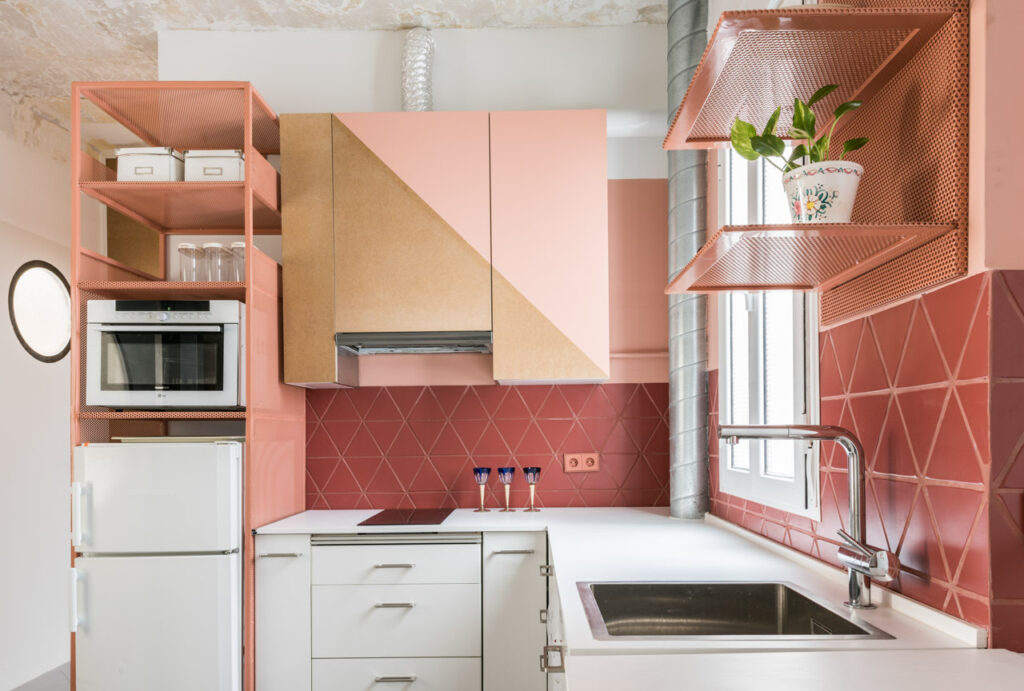
The kitchen furniture was preserved, giving it a second life, and artisanal painting was applied to the cabinet fronts. “The possibility of giving a second life to objects that, in principle, might seem disposable was especially valued,” comments the studio. The combination of the color palette and textures gives this project a unique harmony. The prime example is in the bathroom where the Rio sink from Bathco. These economical furniture solutions have allowed us to maintain the original essence of the home and add identity to the project.
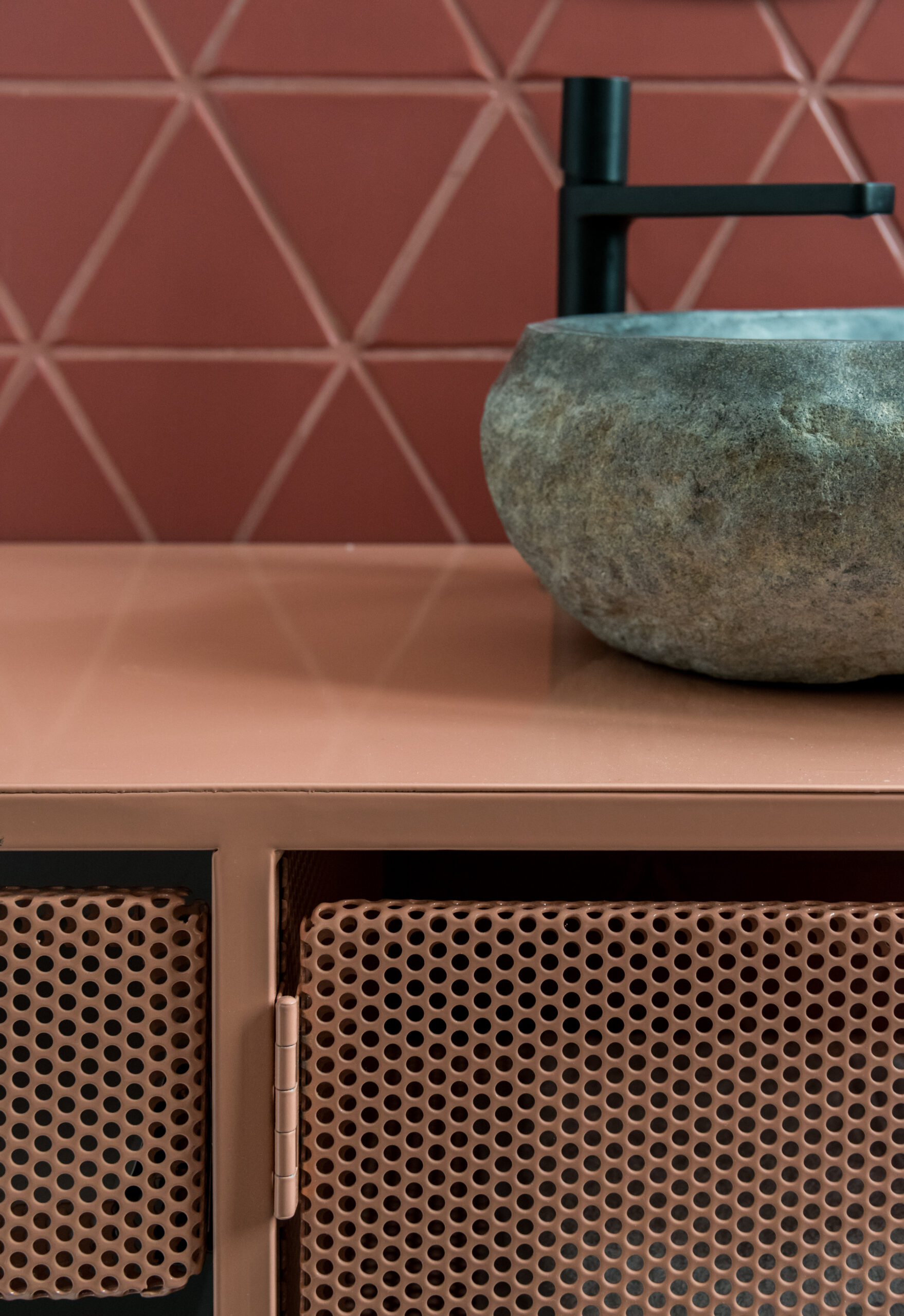
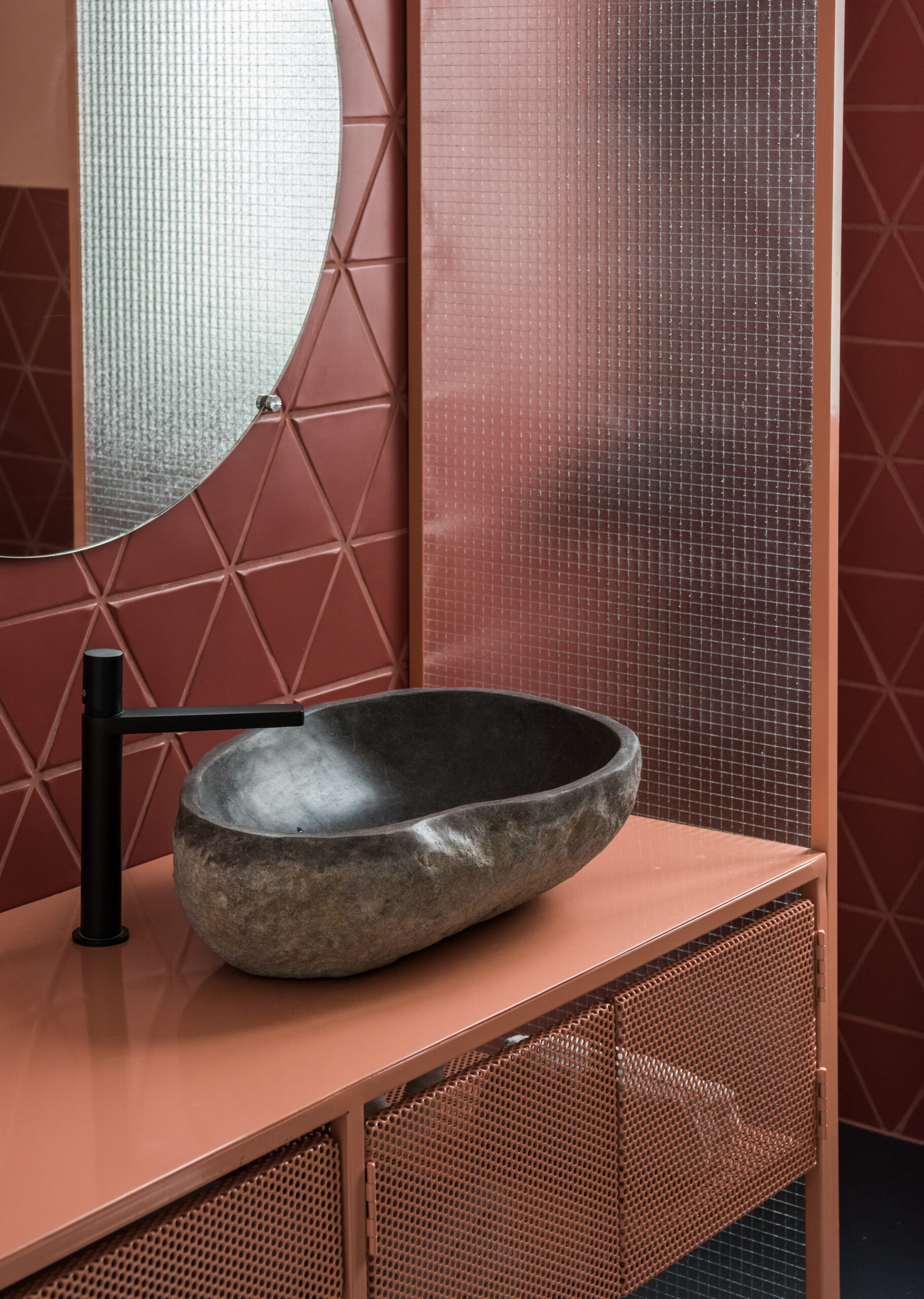
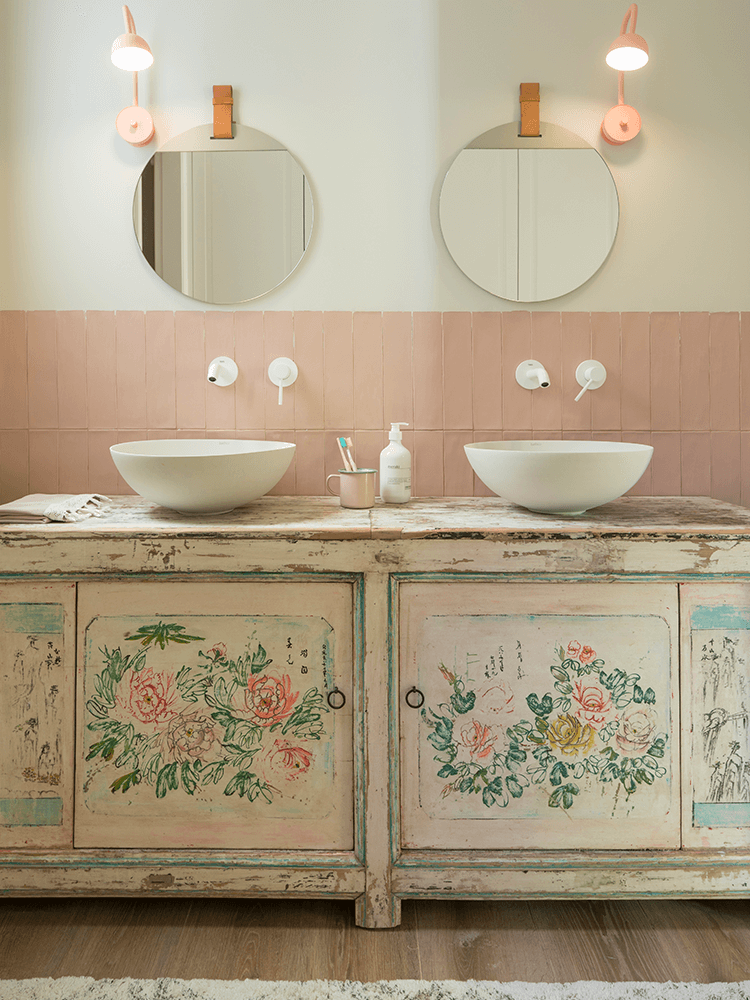
And if there's no existing furniture, there's always the option of giving a second life and a second home to furniture found in antique shops. In this home designed by The Room Studio, Antique furniture was combined with more contemporary and current elements. This integration of the different antique pieces helped to enhance the original architecture of this home and add value to the entire ensemble.
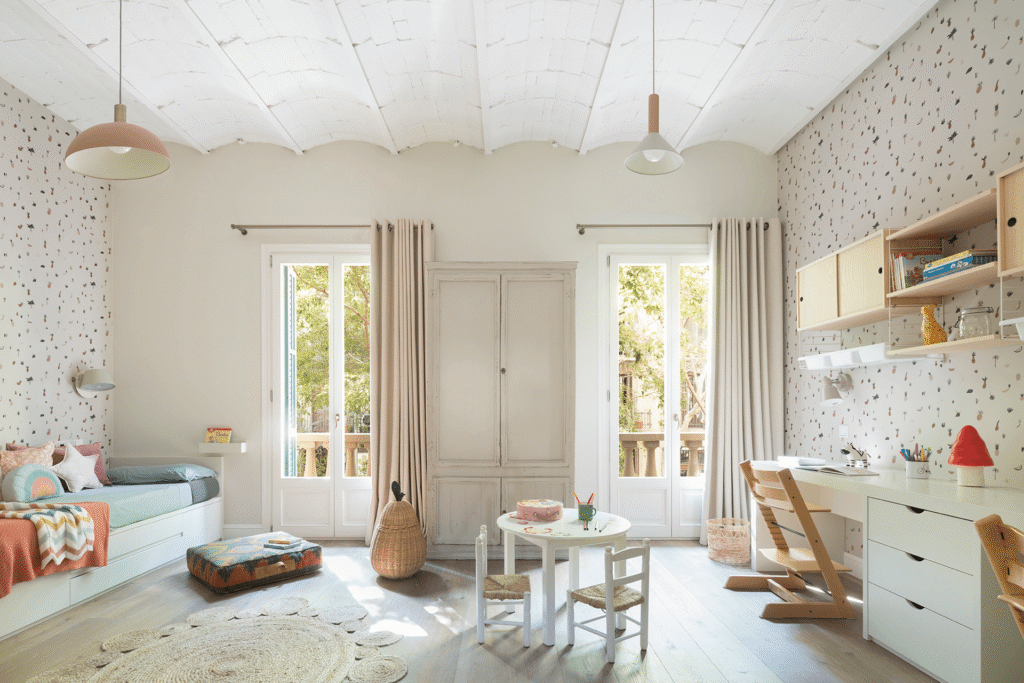
You just have to see the spectacular result of this bathroom for the little ones in the house, where the New Lys washbasin from Bathco with this restored furniture.
The solutions are varied, but what's clear is that by adopting these practices, we are not only contributing to environmental conservation but also creating unique and authentic spaces that reflect our environmental awareness and commitment to a more sustainable future.